Why is the IWF hosting championships in Moscow in 2030?
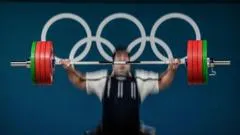
The International Weightlifting Federation (IWF) has selected Moscow as the host city for the 2030 World Weightlifting Championships, marking the first time an Olympic federation has awarded a global event to Russia since the 2022 invasion of Ukraine. This decision comes four months after the IWF confirmed that Russian athletes would be permitted to compete in its sanctioned competitions once again.
The 2030 championships are not merely a standalone event; they serve as a critical qualifying tournament for the 2032 Olympic Games scheduled to take place in Brisbane, Australia. By hosting this event, Russia regains a foothold in the high-level international sporting calendar that was largely lost following the geopolitical shifts of 2022.
The IWF's announcement also included the selection of other host cities for various levels of competition. While the 2029 senior world championships will be held in Ahmedabad, India, the decision to award the 2030 event to Moscow highlights a diversification of the federation's hosting duties. IWF general secretary Jose Quinones noted that all received bids were of high quality and expressed confidence that the upcoming championships in the selected nations would achieve significant success.
The significance of the 2030 qualifying cycle
The inclusion of the 2030 Moscow championships in the Olympic qualification pathway is a pivotal development. Because these games act as a gateway to the 2032 Brisbane Olympics, the IWF's decision directly influences the eligibility and preparation of athletes from around the world, as well as the reintegration of Russian weightlifters into the elite competitive cycle.
How has the status of Russian athletes changed in international sports?
The eligibility of Russian athletes has undergone a complex series of changes following the invasion of Ukraine, moving from total exclusion to provisional reintegration in various federations. The International Weightlifting Federation's decision is part of a broader, albeit fragmented, trend within international sports governing bodies.
In July, the International Olympic Committee (IOC) provisionally lifted the suspension of the Russian Olympic Committee. This move was seen as a potential pathway for Russian athletes to compete at the 2028 Olympic Games in Los Angeles. However, the IOC has maintained strict conditions regarding national identity. While athletes may compete, the IOC has stated that no final decision has been made regarding whether they may display the Russian flag, use national colors, or play the national anthem at Olympic events.
The landscape remains inconsistent across different sporting disciplines:
- Weightlifting: Russian athletes are eligible for IWF events, and the country will host the 2030 World Championships.
- Aquatics: The 2025 World Aquatics Championships, originally slated for Kazan, Russia, were relocated to Singapore.
- Paralympics: The International Paralympic Committee has already ended the exile of Russian athletes, allowing them to compete under their national flag at the Winter Paralympics.
- Olympics: Some Russian athletes participated in the 2024 Paris Olympics and the upcoming Winter Olympics in Milan, though they did so as neutral competitors.
What are the legal and political challenges facing these decisions?
The reintegration of Russia into global sports is facing significant legal opposition, most notably from Ukraine. The decision by the IOC to lift the suspension of the Russian Olympic Committee has not been met with universal consensus and is currently being contested in the legal arena.
Ukraine has filed an official appeal with the Court of Arbitration for Sport (CAS). The appeal seeks to have the IOC's decision to lift the suspension of the Russian Olympic Committee annulled. This legal battle underscores the tension between the desire for sporting neutrality and the geopolitical realities of the conflict in Ukraine.
Furthermore, the IOC has implemented specific protocols to distance itself from the Russian state. The organization has explicitly stated that it will continue to avoid organizing IOC-sanctioned events within Russia. Additionally, the IOC has committed to not inviting Russian government or state officials to its official events, attempting to separate international sport from the political apparatus of the Kremlin.
How has the Russian Weightlifting Federation responded to the IWF decision?
The Russian Weightlifting Federation has embraced the announcement, viewing it as a restoration of the country's status within the international sporting community. Federation president Aleksandr Vinokurov expressed gratitude to the IWF for their trust in awarding the 2030 championships to Moscow.
Vinokurov emphasized Russia's readiness to manage large-scale international events, citing the country's existing infrastructure and historical experience. According to the federation president, Moscow has a proven track record of hosting major international sporting competitions and possesses the modern facilities required for a top-level official competition.
The federation also noted that this event represents a milestone, claiming to be the first Olympic sports federation to successfully bring a top-level official competition back to Russia in many years. This sentiment reflects the federation's goal of utilizing the 2030 championships to rebuild the profile of weightlifting within the country and prepare athletes for the 2032 Olympic cycle.
Frequently asked questions
Will Russian athletes be allowed to use their flag at the 2030 championships?
The IWF's specific regulations regarding the display of national symbols at the 2030 championships have not been detailed in the initial announcement. However, the IOC has maintained that no decision has been reached on whether Russian athletes can display their flag, colors, or anthem at Olympic-related events.
Is the 2030 Moscow event an Olympic qualifier?
Yes, the 2030 World Weightlifting Championships in Moscow will serve as a qualifying event for the 2032 Olympic Games, which are scheduled to be held in Brisbane, Australia. This makes the event a critical milestone for athletes seeking Olympic participation.
Why was the 2025 World Aquatics Championships moved from Kazan?
The 2025 World Aquatics Championships were originally awarded to Kazan, Russia. However, following the geopolitical situation and the invasion of Ukraine, the event was relocated to Singapore. This highlights the difference in how various sports federations have handled hosting rights in Russia.
What is the status of the appeal against the IOC's decision?
Ukraine has filed an appeal with the Court of Arbitration for Sport (CAS) to annul the IOC's decision to lift the suspension of the Russian Olympic Committee. The legal process is ongoing and will determine the future of Russian participation in Olympic-governed events.
How many Ukrainian athletes are participating in current IWF events?
Five Ukrainian athletes are currently listed to compete in the 2026 IWF World Championships in Ningbo, China. These championships are scheduled to take place from 27 October to 8 November, demonstrating continued participation from both nations in the IWF calendar.
Key takeaways
- Moscow will host the 2030 World Weightlifting Championships, the first major Olympic federation event in Russia since 2022.
- The 2030 championships will serve as an official qualifying event for the 2032 Brisbane Olympic Games.
- The IOC has provisionally lifted the suspension of the Russian Olympic Committee, though national symbols remain restricted.
- Ukraine is currently challenging the IOC's decision to lift Russia's suspension through the Court of Arbitration for Sport.
Conclusion
The decision by the International Weightlifting Federation to award the 2030 World Weightlifting Championships to Moscow represents a significant pivot in the international sporting landscape. While it marks a return to major global competitions within Russia, it also highlights the ongoing fragmentation of sports governance. The tension between the reintegration of Russian athletes and the legal challenges posed by Ukraine, alongside the strict protocols maintained by the IOC, suggests that the path toward full sporting normalization remains highly contested and legally complex.