Why is the microdrama format gaining traction in India?
The microdrama format is experiencing rapid adoption in India, driven by a massive shift toward mobile-first entertainment consumption. According to industry analysts, more than 118 million users in India watch microdramas every month. This trend is fueled by the rise of verticalized video content that fits into the small, frequent windows of time throughout a user's day, rather than traditional 'appointment viewing' on television.
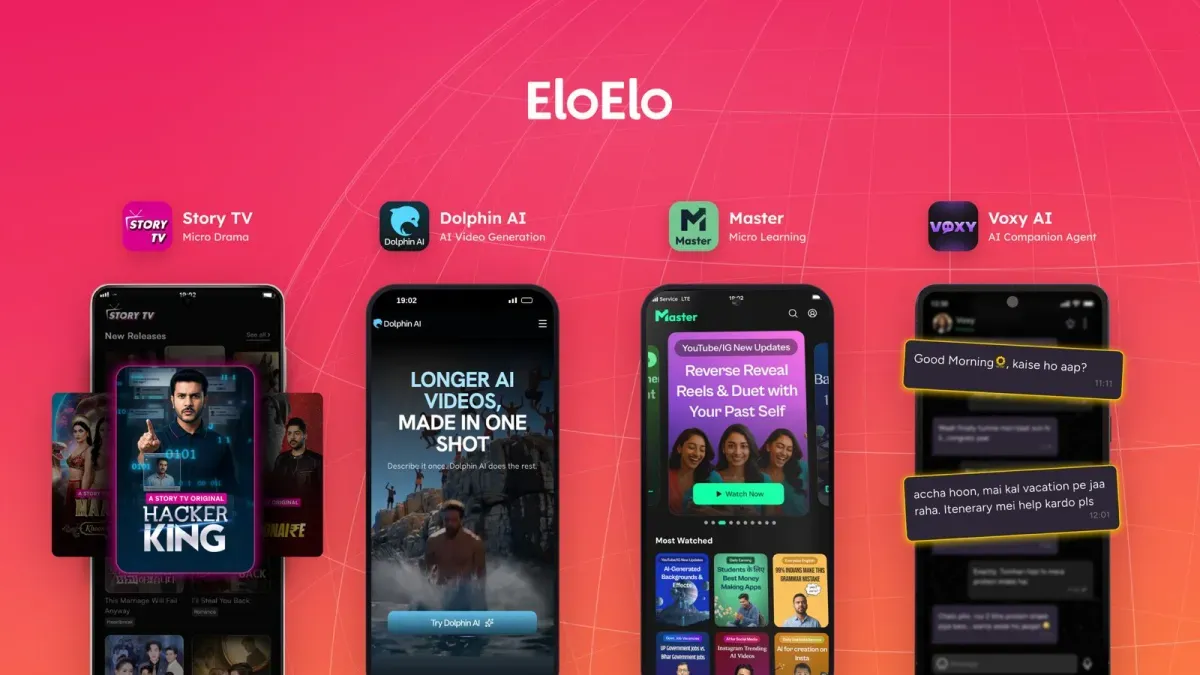
EloElo’s flagship platform, Story TV, has emerged as a dominant player in this space, boasting more than 33 million active users. The platform currently hosts a catalog exceeding 5,000 titles available in six different languages. This diversity is crucial for the Indian market, where linguistic variety is a key driver of engagement. The format's popularity is not limited to India; similar trends are visible in the U.S. and China, where high-profile celebrities have begun investing in and starring in serialized short-form content.
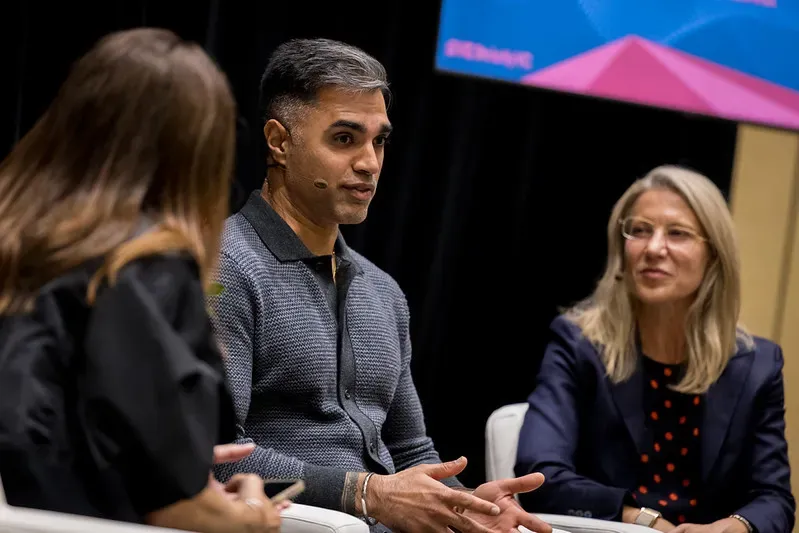
Saurabh Pandey, the founder of EloElo and a former Flipkart executive, suggests that the next generation of internet users will not grow up with traditional television. Instead, they are consuming entertainment designed specifically for mobile devices. This shift is reflected in user behavior: Pandey noted that users on Story TV log an average of 95 minutes per day across multiple sessions, highlighting the 'snackable' yet addictive nature of serialized storytelling.
How much is the microdrama industry worth in India?
The economic potential of the Indian microdrama sector is substantial, with analysts projecting the industry could generate between $3 billion and $4 billion in annual revenue by 2030. This growth is supported by India's massive internet population, which exceeds one billion people. As mobile penetration increases and data becomes more accessible, the appetite for specialized, short-form video content continues to climb.
Despite this massive scale, the industry faces significant hurdles regarding how to convert viewers into paying customers. While the volume of users is high, the transition from free to premium content is a complex hurdle for many platforms. The competitive landscape includes established giants like YouTube, Instagram, and TikTok, where creators often share content for free, making it difficult for dedicated microdrama apps to command subscription fees.
The monetization gap in Indian streaming
Monetization remains one of the most difficult challenges for digital entertainment companies operating in the Indian market. While users are highly engaged, their willingness to pay for content varies significantly. According to a report from analyst firm Redseer, while more than 40 million people have paid for microdrama content at least once, the number of consistent monthly subscribers is much lower, ranging between 15 million and 17 million.
This gap is further highlighted by a survey from Ormax Media, which indicated that 72% of consumers have never paid for microdrama content. To combat this, platforms like EloElo utilize a hybrid model. They offer various subscription tiers—monthly, quarterly, and yearly—to unlock premium content, while also providing ad-supported free content to maintain a broad user base. However, the reliance on advertising can be less lucrative than a robust subscription model, forcing companies to balance accessibility with profitability.
What role does AI play in microdrama production?
Artificial intelligence is becoming a central tool for microdrama platforms seeking to increase their content supply and improve production efficiency. The industry is currently divided between platforms using AI to optimize workflows and those using it to generate content directly. For instance, Google-backed Kuku focuses on improving creation workflows, while platforms like Dashverse’s ShortFree are experimenting with video AI models to produce serialized clips.
EloElo has developed its own proprietary AI platform, known as Dolphin AI. Originally designed as an internal tool to streamline video creation, the company is now moving toward making this technology available more widely. Dolphin AI functions as an advanced editor, offering templates and various models to generate images, audio, and video. Beyond production, EloElo intends to expand the use of this tool for marketing campaigns and advertisements.
The balance between human creativity and AI automation
While AI offers speed, EloElo’s leadership emphasizes that human involvement remains essential for high-quality storytelling. Saurabh Pandey views AI not as a replacement for creators, but as an augmentation tool. He uses a racing metaphor to describe the relationship, stating that AI is like a high-performance engine, but a skilled 'Formula One driver'—the creative director or showrunner—is still required to steer the narrative.
The most successful content often emerges from a hybrid approach where human intuition directs AI capabilities. This 'human x AI' element is seen as the key to producing stories that resonate emotionally with audiences. While AI can assist in writing scripts or generating assets, the core task of crafting compelling, serialized arcs remains a human-centric endeavor. This approach helps platforms like Story TV differentiate themselves from free-form social media platforms by offering more structured and professionalized storytelling.
How is EloElo diversifying its ecosystem?
EloElo is expanding beyond the microdrama niche to build a broader ecosystem of mobile-first applications. The company currently reports more than 40 million monthly users across its entire suite of apps, though the majority of this traffic is driven by the Story TV platform. This diversification allows the company to capture different segments of the digital consumer market.
The company's portfolio includes:
- Master: A vertical video learning application that competes with services like Seekho and Kuku’s Guru.
- Voxy AI: An AI companion application designed to engage users through interactive technology.
With its recent $80 million infusion, EloElo plans to scale its operations significantly. The company, which currently employs 240 people, intends to expand its AI and machine learning research teams. A significant portion of the new capital will also be directed toward producing original titles to strengthen its content library and maintain its competitive edge in the rapidly evolving Indian digital landscape.
FAQ: EloElo and the Microdrama Market
What is a microdrama?
Microdramas are short-form, serialized video stories designed specifically for mobile viewing. Unlike traditional television, they consist of brief, "snackable" episodes that viewers can consume in short intervals throughout the day, often in a vertical video format optimized for smartphones.
How much did EloElo raise in its Series C?
EloElo raised $80 million in its Series C funding round. This investment was led by NBCUniversal and Hornbill Capital, bringing the company's total lifetime fundraising to $130 million and establishing a total company valuation of $500 million.
Who are EloElo's main competitors?
EloElo competes with both dedicated microdrama platforms and general social media giants. Primary competitors include Kuku TV, Quick TV, and Pocket, as well as massive video-sharing platforms like YouTube, Instagram, and TikTok, where creators often post short-form content for free.
Is the microdrama market profitable in India?
While the market is growing rapidly, monetization is challenging. Although engagement is high, many Indian users prefer free content. Reports suggest that while 40 million people have paid for microdramas at least once, only about 15 to 17 million are consistent monthly subscribers.
How does EloElo use AI in its platform?
EloElo uses its proprietary Dolphin AI platform to assist in video creation and editing. The tool provides templates and models for generating audio, images, and video, acting as an accelerator for the content pipeline while still requiring human creative directors to steer the storytelling.
Key takeaways
- EloElo raised $80 million in Series C funding, reaching a $500 million valuation.
- The Indian microdrama market is projected to reach $3–$4 billion annually by 2030.
- Story TV has over 33 million active users and a 5,000-title catalog.
- Monetization remains difficult, with only 15–17 million consistent monthly subscribers.
- EloElo is integrating Dolphin AI to accelerate and enhance content production workflows.
Conclusion
The rise of EloElo and its Story TV platform signals a fundamental shift in how the Indian population consumes entertainment. As mobile-first, serialized microdramas move from a niche format to a mainstream powerhouse, the industry is poised for massive economic growth. However, the path to sustained profitability requires navigating complex monetization landscapes and the intense competition of free social media platforms. By leveraging proprietary AI tools like Dolphin AI and diversifying into educational and companion apps, EloElo is attempting to build a comprehensive digital ecosystem that captures the attention of India's next billion internet users.