How does the iPhone Duo handle daily durability and portability?
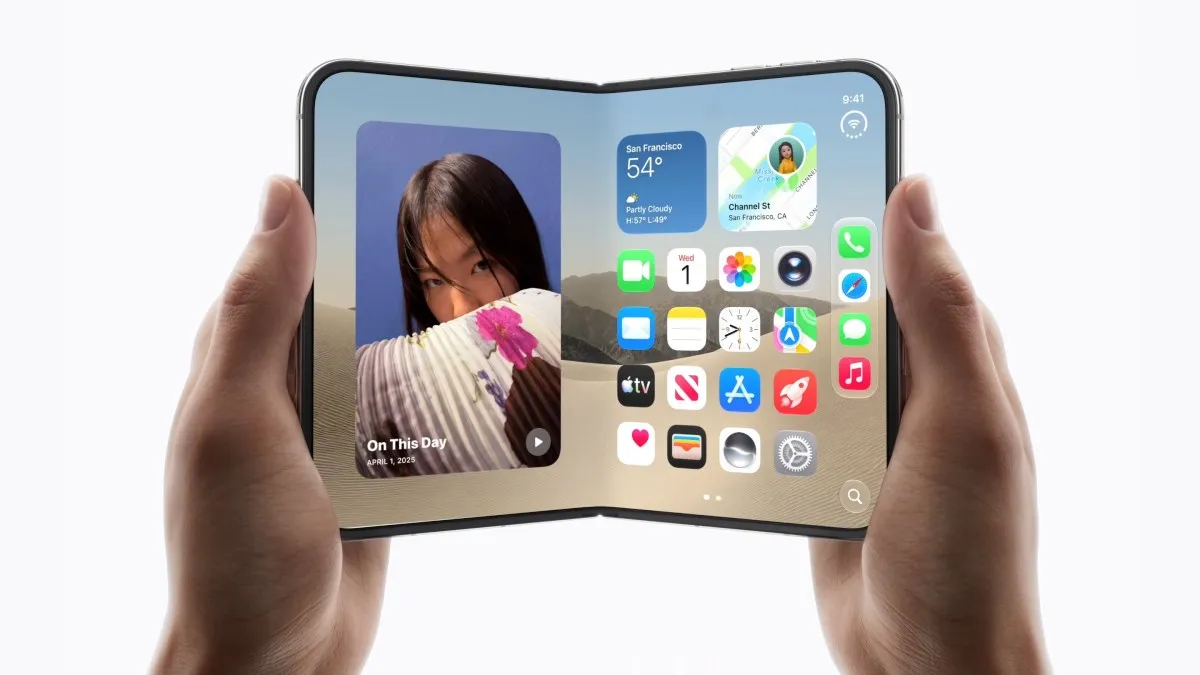
The iPhone Duo features a compact, squat design that defies the initial expectations of users accustomed to the expansive screen real estate of standard iPhones. Despite its unconventional shape, the device proves remarkably portable, fitting comfortably into both front and back pockets, even when enclosed in a protective case. The physical build quality suggests a level of resilience that exceeds the perceived fragility often associated with foldable technology.
During real-world usage, the device demonstrated significant toughness. The phone survived being sat upon while in a back pocket without any structural damage or screen failure. Furthermore, accidental drops onto hard surfaces—including concrete, tile, and wood—did not result in cracked screens or hardware malfunctions. While these instances do not constitute formal laboratory drop testing, they provide a strong indication that the Duo is engineered for more than just careful handling.
The ergonomics of a non-traditional shape
Transitioning from a high-end model like the iPhone 17 Pro Max to the Duo requires a psychological adjustment. The reduction in continuous screen area can initially feel limiting, particularly when navigating interfaces designed for taller displays. However, the compact footprint offers a distinct advantage for users who prefer a device that is less intrusive in their pockets and more manageable for one-handed use in various environments.
What are the primary software and usability challenges?
Software optimization remains a significant hurdle for the iPhone Duo, as many third-party applications have yet to be fully redesigned for its unique aspect ratio. Users frequently encounter unoptimized apps that display a black bar on the side when the device is closed, which effectively reduces the usable screen area even further. While some developers are releasing Duo-optimized updates, the current landscape is a mix of seamless experiences and aesthetically unpleasing, cramped interfaces.
Beyond visual issues, functional software glitches can disrupt the user experience. Specifically, the Google Search app has shown tendencies to freeze, particularly when entering its AI Mode. This issue often requires a forced closure of the application to restore functionality. Additionally, the Duo's smaller outer screen necessitates more scrolling when reading through text threads or navigating menus that were originally designed for larger, traditional smartphone displays.
Is the return to Touch ID a major setback?
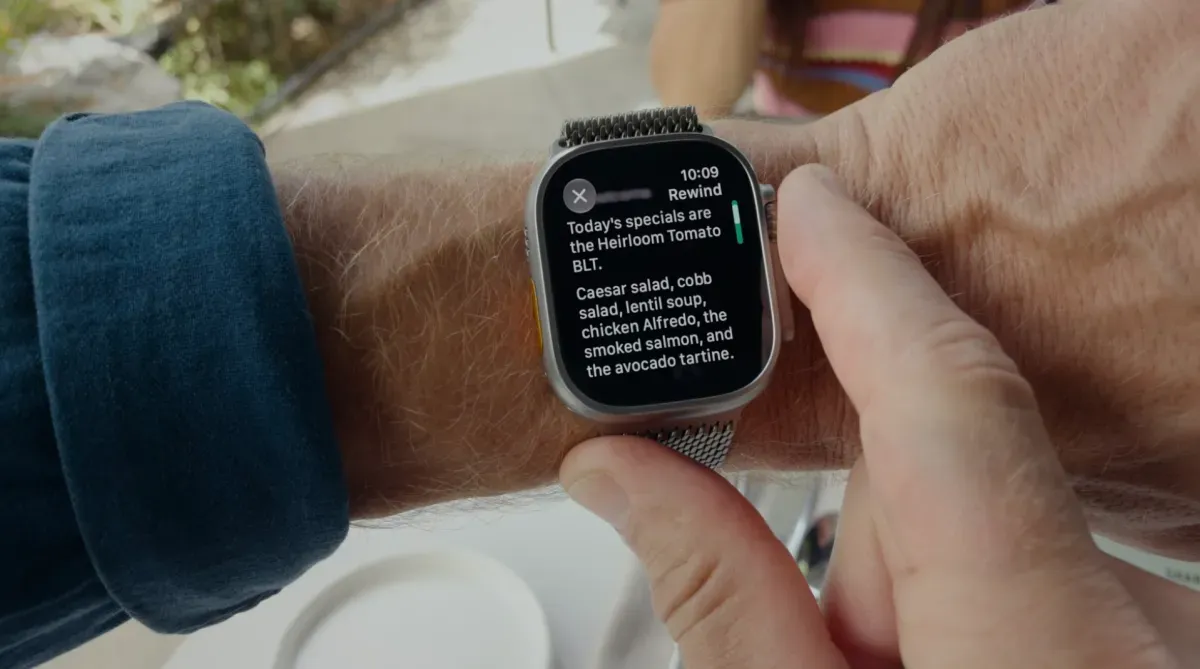
One of the most controversial aspects of the iPhone Duo is the absence of Face ID, replaced instead by the return of Touch ID. For users accustomed to the seamless, hands-free authentication of Face ID, this shift introduces noticeable friction in daily tasks. While the Apple Watch can mitigate some of the inconvenience by acting as an alternative authentication method, the physical requirement for fingerprint scanning remains a persistent annoyance.
The impact of Touch ID is most acutely felt during high-stakes or multitasking scenarios. For example, when using Apple Pay while carrying shopping bags, a dog leash, or other items, the need to physically manipulate the phone to align a finger with the sensor becomes cumbersome. Users often struggle with the muscle memory required to authenticate quickly, leading to repeated failed attempts at checkout. While not an insurmountable obstacle, the lack of facial recognition is a significant consideration for early adopters.
How does the Duo camera compare to the iPhone 17 Pro Max?
The iPhone Duo's camera system is designed for casual users rather than professional content creators, marking a clear distinction from the Pro series. The hardware configuration is noticeably leaner, featuring only two rear cameras compared to the three found on the iPhone 17 Pro Max. Most notably, the Duo lacks a dedicated telephoto lens, which limits its versatility in various shooting scenarios.
The disparity in zoom capabilities is also significant. While the iPhone 17 Pro Max offers up to 40x zoom, the Duo is limited to 10x digital zoom. Furthermore, the Pro model supports advanced features such as ProRAW and ProRes, along with superior low-light performance. For the average user who primarily shares photos on social media or uses them for personal memories, the Duo's camera is functional and sufficient. However, for anyone requiring professional-grade photography tools, the Duo may feel like a compromise.
Key takeaways
- The $2,000 iPhone Duo offers a compact, durable foldable design that fits easily in pockets.
- Durability is high, with the device surviving multiple drops on hard surfaces and being sat upon.
- Software optimization is ongoing, with some apps still displaying unoptimized black bars on the outer screen.
- The absence of Face ID in favor of Touch ID creates significant friction during tasks like Apple Pay.
- The camera system is adequate for casual use but lacks the telephoto lens and Pro features of the 17 Pro Max.
FAQ: iPhone Duo
Is the iPhone Duo durable enough for daily use?
Yes, the iPhone Duo appears to be highly resilient. Testing showed the device survived being sat on in a back pocket and multiple accidental drops onto concrete, tile, and wood without any screen cracking or structural damage.
Why does the iPhone Duo use Touch ID instead of Face ID?
The Duo currently relies on Touch ID for authentication, which can be less convenient than Face ID during multitasking. While it is a functional workaround, many users find it cumbersome for quick tasks like using Apple Pay when their hands are full.
Are apps optimized for the iPhone Duo's screen?
Optimization is currently in a transitional phase. While many major developers are pushing updates, some apps still feature black bars on the sides or unoptimized layouts, though these are generally considered aesthetic issues rather than functional dealbreakers.
How is the camera quality on the iPhone Duo?
The camera is suitable for casual photography, such as social media posts and personal snapshots. However, it lacks a telephoto lens and advanced Pro features like ProRAW, making it less ideal for professional creators compared to the iPhone 17 Pro Max.
Does the iPhone Duo have a large screen?
The Duo features a novel, shorter, and more squat form factor compared to traditional iPhones. While it offers a unique folding experience, users may initially find the screen real estate more limited for certain tasks like reading long text threads.
Conclusion
The iPhone Duo is a bold experiment that successfully proves Apple can master the physical durability and portability of a foldable device. While the hardware is robust and the form factor is highly practical, the software ecosystem and the regression to Touch ID present real-world frustrations. It is a device that demands a trade-off: you exchange the polished, high-end capabilities of a Pro model for a novel, compact, and highly mobile experience. For most users, the Duo is a fascinating glimpse into the future of mobile hardware, provided they can overlook its current functional growing pains.