Who are the key candidates with African roots winning in 2026?
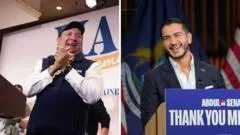
Several candidates with deep ties to the African continent secured significant victories during the November 3 midterms, signaling a shift in the demographic makeup of American leadership. Abdul El-Sayed, the son of Egyptian immigrants, is poised to become the first Muslim senator following his win in Michigan. His campaign was notable for its modern approach, utilizing social media platforms like TikTok to engage Gen Z voters through humor, direct communication, and even sporting friendship bracelets.
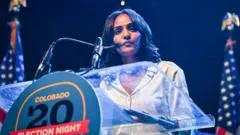
In Colorado, 29-year-old Melat Kiros made history as the first Gen Z woman elected to the US Congress. Born in Ethiopia, Kiros arrived in the US as a baby and grew up in Denver. Her path to Washington was marked by a significant upset; she defeated a 15-term incumbent in the Democratic primary before securing a landslide victory in the general election. Her victory represents a major breakthrough for younger voters and those of Ethiopian heritage.
Meanwhile, Adrian Boafo, a second-generation Ghanaian-American, will represent Maryland's 5th Congressional District. Boafo succeeds the retiring veteran Congressman Steny Hoyer, whose political career spanned more than four decades. Born in Virginia and raised in Prince George's County, Boafo’s ascent to Congress follows a steady climb through local and state-level politics, including service on the Bowie City Council and as a Maryland state delegate.
State and local breakthroughs
The momentum of the election extended well beyond federal offices, reaching into state legislatures and city councils. Junior Ezeonu, born in Nigeria and having moved to the US as a young child, demonstrated the strength of local political roots. By age 27, he had already become Grand Prairie's youngest city council member, a position that served as a springboard to his successful bid for a seat in the Texas State House.
In Pennsylvania, Carol Kazeem, a 34-year-old legislator of Nigerian heritage, successfully retained her seat in District 159. The influence of the Nigerian diaspora was particularly evident in these results, with at least four candidates of Nigerian heritage winning seats during the November 3 midterms. These victories highlight a growing trend of candidates from African backgrounds establishing long-term political presence at various levels of government.
What policy platforms drove these progressive victories?
The winning candidates shared a focus on economic and social issues that resonate strongly with younger, progressive demographics. For El-Sayed and Kiros, central pillars of their campaigns included Medicare for All, affordable housing, and universal childcare. These issues appear to be primary drivers for the Gen Z and millennial electorate, who are increasingly focused on the cost of living and the expansion of social safety nets.
In Maryland, Adrian Boafo centered his campaign on the cost of living and the protection of federal workers. This was a particularly critical issue in his district, which is located close to Washington DC and is home to thousands of government employees. Boafo also highlighted the impact of the Trump administration's immigration crackdown and potential federal job cuts, noting in his victory statement that representing his constituents had "never felt more urgent."
While their specific regional focuses varied—ranging from local federal worker protections to broad national healthcare reforms—a common thread of addressing economic instability and expanding the social safety net linked these diverse winners. Their platforms suggest a movement toward policies that prioritize direct economic relief and institutional protections for the working class.
How did controversy and identity shape these campaigns?
Identity politics and foreign policy stances played significant roles in the electoral narratives of several candidates, often serving as points of intense friction. Abdul El-Sayed faced intense scrutiny from conservative media and President Donald Trump, who accused him of supporting the Muslim Brotherhood. El-Sayed, who spoke to his cheering crowd in an Egyptian Arabic accent, rejected these allegations, which had targeted his name and heritage throughout the campaign.
Similarly, Melat Kiros faced controversy regarding her outspoken criticism of Israel's military actions in Gaza. Kiros has maintained that her critiques are directed at the Israeli state rather than Jewish people. Her political engagement was notably sharpened by a 2023 incident where she was fired from a top New York law firm after refusing to remove an open letter regarding how law school deans handled antisemitism on campuses during pro-Palestinian protests. While she condemned antisemitism, she warned against conflating such bigotry with the geopolitical question of Israel's legitimacy.
The reelection of Ilhan Omar also highlights the intersection of identity and legal scrutiny. Despite an ongoing federal investigation into her immigration paperwork—which included a search of her Washington home by federal agents in October—the Somali-born representative won a fifth term. Omar, who was one of the first Muslim women to serve in Congress, has denied any wrongdoing and has not been charged with a crime. Her reelection comes despite repeated criticism from President Trump, who has targeted her and other Somali immigrants with derogatory language. These political battles underscore a highly polarized environment where candidates' heritage and stances on international conflicts are frequently used as central campaign themes.
Global Inspiration
The impact of these victories is being felt far beyond US borders. For many young Africans watching from across the Atlantic, these election results have offered a glimpse of what a new generation of voters could achieve. On social media, users in countries like Nigeria and Kenya—where major elections are due in 2027—have shared these results as a source of inspiration for their own political movements.
Frequently asked questions
Who is the first Muslim senator in US history?
Abdul El-Sayed is set to become the first Muslim senator. Born to Egyptian immigrant parents, the Michigan Democrat won his seat following a campaign that heavily utilized social media, such as TikTok, to connect with younger voters and progressive constituents.
What makes Melat Kiros's election historic?
Melat Kiros is the first Gen Z woman to be elected to the US Congress. The Ethiopian-born politician won a landslide victory in Colorado's 1st District, defeating a 15-term incumbent during the 2026 midterm elections.
Key takeaways
- Abdul El-Sayed will become the first Muslim senator following his victory in Michigan.
- Melat Kiros, born in Ethiopia, is the first Gen Z woman elected to Congress.
- Candidates like Adrian Boafo and Junior Ezeonu represent a growing wave of African-rooted leaders in federal and state politics.
- Progressive issues like Medicare for All, affordable housing, and childcare were central to many winning platforms.