Why is the India opposition rally being held in Delhi?
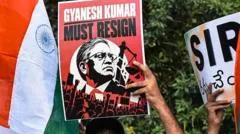
The primary driver for the massive gathering in the Indian capital is the demand for the resignation of Chief Election Commissioner Gyanesh Kumar. Opposition leaders, primarily from the Congress-led INDIA alliance, argue that the current electoral administration is undermining democratic processes through controversial administrative actions. The rally is intended to serve as a massive show of force against what they describe as the systematic dismantling of Indian democracy.
The movement has gained momentum following a series of smaller protests and marches. For instance, Congress MP Rahul Gandhi recently led a significant march from Connaught Place to the Supreme Court. According to party leaders, the upcoming Sunday event is intended to be significantly larger than those previous demonstrations, functioning as a major escalation in the opposition's campaign to defend the constitutional right to vote.
The role of the INDIA alliance and CJP
The rally is not merely a single-party event but a coordinated effort involving the INDIA alliance, which includes several major opposition parties. Furthermore, the Gen Z-led pressure group, the Cockroach Janta Party (CJP), has pledged its support to the cause. This coalition of traditional political entities and influential youth-led movements suggests a broad-based dissatisfaction with the current electoral oversight. While the CJP has publicly backed the movement, the attendance of its senior leadership remains unconfirmed.
What is the controversy surrounding the Special Intensive Revision?
The central point of contention is the Special Intensive Revision (SIR), an exercise that has resulted in the removal of 130 million names from draft voter rolls across India. The Election Commission of India (ECI) maintains that this process is a necessary administrative update designed to purge the lists of deceased individuals or those who have relocated from their registered addresses. They assert that the goal is to ensure the integrity and accuracy of the voter database.
However, opposition parties have leveled serious accusations against both the ECI and Prime Minister Narendra Modi's Bharatiya Janata Party (BJP). They allege that the SIR is being used as a tool for "vote chori" (theft) by removing eligible voters from the rolls to benefit the ruling party. The opposition argues that the scale of the removals—130 million names—is disproportionate and suggests a targeted effort to disenfranchise specific demographics.
How has the Election Commission's internal functioning been questioned?
Internal disagreements within the Election Commission of India have fueled suspicions regarding the impartiality of the electoral process. An investigation by The Indian Express newspaper reported that Chief Election Commissioner Gyanesh Kumar has been making critical decisions regarding the voter revision exercise without the consensus of the other two election commissioners. The report noted that these two commissioners had raised objections on more than a dozen separate occasions.
In response to these findings, the Election Commission has defended its internal procedures. The institution stated that differences of opinion are a standard feature of any administrative body and that such disagreements do not impede the overall functioning or the legality of the commission's decisions. Despite these assurances, the lack of consensus among the commissioners has become a focal point for those questioning the transparency of the SIR process.
What are the security and logistical implications for Delhi?
Authorities have implemented strict conditions and massive security deployments to manage the expected influx of people in the capital. Delhi police have granted permission for the rally at Ramlila Maidan, but with specific constraints: the event must conclude by 5:00 PM, CCTV monitoring must be active at the venue, and no marches are permitted outside the designated protest area. To ensure order, thousands of police and paramilitary personnel have been stationed across the city and along major access roads.
The scale of the security presence has raised concerns regarding the policing of dissent. On October 10, a previous protest called by the CJP resulted in large-scale shutdowns and the detention of top leaders. Reports from that day indicated that many demonstrators were subjected to physical force by security personnel. This history of heavy-handed policing has led to tension, with Rahul Gandhi publicly urging supporters to remain undeterred by the threat of police intervention.
Impact on local commerce and festive season
The timing of the rally has also created a rift within the local business community, particularly in the historic Chandni Chowk market. Located less than a kilometer from the protest site, traders are divided on the rally's impact. One group of merchants expressed concern that the massive gathering could disrupt business during the critical festive season, which falls just one week before Diwali. Conversely, another group of traders expressed support for the protest, criticizing a recent BJP march through the market for causing similar disruptions.
Frequently asked questions
What is the main demand of the protesters?
The protesters are primarily demanding the resignation of the Chief Election Commissioner, Gyanesh Kumar. They are also calling for comprehensive electoral reforms to address concerns regarding the integrity of the voter registration process and to prevent what they term as "vote theft" through administrative maneuvers.
Why were 130 million names removed from the voter lists?
The Election Commission of India states that the 130 million names were removed as part of the Special Intensive Revision (SIR) to update rolls by removing deceased or relocated voters. The opposition, however, alleges this is a political tactic to disenfranchise eligible voters.
Who is participating in the rally?
The rally is organized by the Congress-led INDIA alliance. It also features support from the Cockroach Janta Party (CJP), a Gen Z-led pressure group. Various political and non-political groups have been invited by opposition leaders to join the demonstration in Delhi.
How is the government responding to the allegations?
Both the Bharatiya Janata Party (BJP) and the Election Commission of India have denied all allegations of electoral manipulation. The ECI maintains that its processes are transparent and that internal disagreements among commissioners are a normal part of institutional functioning.
What restrictions have been placed on the rally?
Delhi police have mandated that the rally must end by 5:00 PM and that no marches can take place outside the Ramlila Maidan grounds. Additionally, the organizers are required to have CCTV cameras installed at the venue to monitor the proceedings.
Key takeaways
- The India opposition rally seeks the resignation of Chief Election Commissioner Gyanesh Kumar.
- The Special Intensive Revision (SIR) resulted in the removal of 130 million names from voter rolls.
- The Election Commission of India denies allegations of "vote theft" and administrative bias.
- Security forces have deployed thousands of personnel to manage the expected large-scale protest.
- The rally's timing coincides with the Diwali festive season, impacting local Delhi businesses.
Conclusion
The planned mega rally in Delhi represents a significant flashpoint in Indian politics, highlighting a profound lack of trust between the opposition and the nation's electoral oversight body. While the Election Commission maintains that its voter roll revisions are necessary administrative updates, the scale of the removals and reported internal dissent have provided the opposition with a powerful platform for mobilization. As thousands gather to demand accountability and reform, the outcome of this protest will likely influence the political discourse surrounding democratic integrity and the rule of law in India for the foreseeable future.