From Democratic Euphoria to Governance Realities
The 2024 presidential election was widely celebrated as a watershed moment for West African democracy, signaling a radical shift toward sovereignty and social justice under Bassirou Diomaye Faye. However, by November 2026, the initial revolutionary fervor has been replaced by the grueling complexities of state administration. The transition, while peaceful thanks to Macky Sall's departure in April 2024, has exposed a fundamental truth: the ability to contest power is vastly different from the ability to manage a state's macro-economic and social frameworks.
The current instability suggests that the political rhetoric used to win the electorate is colliding with the rigid mechanisms of the Senegalese state. This friction is not merely political but structural, as the administration struggles to translate populist mandates into functional public policy.
The Executive Dualism: Faye and Sonko
A central pillar of the current political tension is the complex relationship between President Bassirou Diomaye Faye and Prime Minister Ousmane Sonko. While their alliance was the driving force behind the Pastef party's victory, the practical application of power has raised significant questions regarding institutional clarity.
Leadership Dynamics and Institutional Shadows
Observers have identified a duality of leadership that presents both a potential strength and a significant risk. While the complementarity of Faye and Sonko could theoretically provide a balanced approach, it has instead created "institutional shadows" where the precise division of strategic prerogatives remains unclear. This ambiguity can lead to delays in decision-making and confusion within the civil service.
Internal Party Pressures and Reform Divergence
Beyond the presidency, internal frictions within the Pastef party further complicate the governance landscape. There is a visible tension between the need for governmental pragmatism—required to satisfy international partners—and the radical ideological purity that many of the party's supporters demand. This tug-of-war threatens the coherence of the government's long-term reform agenda.
The Fiscal Crisis and the Weight of Economic Heritage
The economic landscape of 2026 is defined by a severe budgetary reality that contradicts the optimistic projections of the previous administration. Revelations from the Court of Auditors regarding the true state of national debt and deficits have significantly dampened growth prospects and forced the government into a defensive posture of scarcity management.
The IMF and the Constraint of Austerity
Relations with international financial institutions, particularly the International Monetary Fund (IMF), have become the cornerstone of Senegal's economic policy. While adjustment programs are necessary to restore global financial credibility, they impose a heavy burden on the state's ability to invest in social infrastructure. This fiscal rigor is in direct conflict with the 2024 campaign promises of wealth redistribution and large-scale public works.
The Paradox of Extractive Resources
Despite the increasing exploitation of oil and gas reserves, the expected windfall has yet to offset the rising costs of debt servicing. The management of these new revenues remains a flashpoint for public discontent, as citizens demand immediate improvements in healthcare and education while the state struggles to balance the books.
Social Unrest and the Pressure of Youth Expectations
The social contract in Senegal is under immense strain. The youth population, which served as the engine of the 2024 political change, remains largely unfulfilled. Structural unemployment persists, and the slow pace of economic transformation is fueling a sense of disillusionment.
The erosion of purchasing power and the rising cost of living have become the primary drivers of social discontent. As the population closely monitors the distribution of hydrocarbon revenues, the failure to provide tangible improvements in basic services continues to drive migration and social volatility, presenting a significant security challenge for the state.
Frequently asked questions about the situation in Senegal
What is the current relationship between Faye and Sonko?
The relationship is characterized by close collaboration but is marked by ongoing questions regarding the actual distribution of decision-making power within the executive branch, leading to concerns about institutional clarity.
Why is the Senegalese economy under such intense pressure?
The pressure results from a combination of a significant budgetary deficit inherited from previous years, high public debt, and the strict austerity measures required by international partners to stabilize national finances.
How does Macky Sall influence the current political landscape?
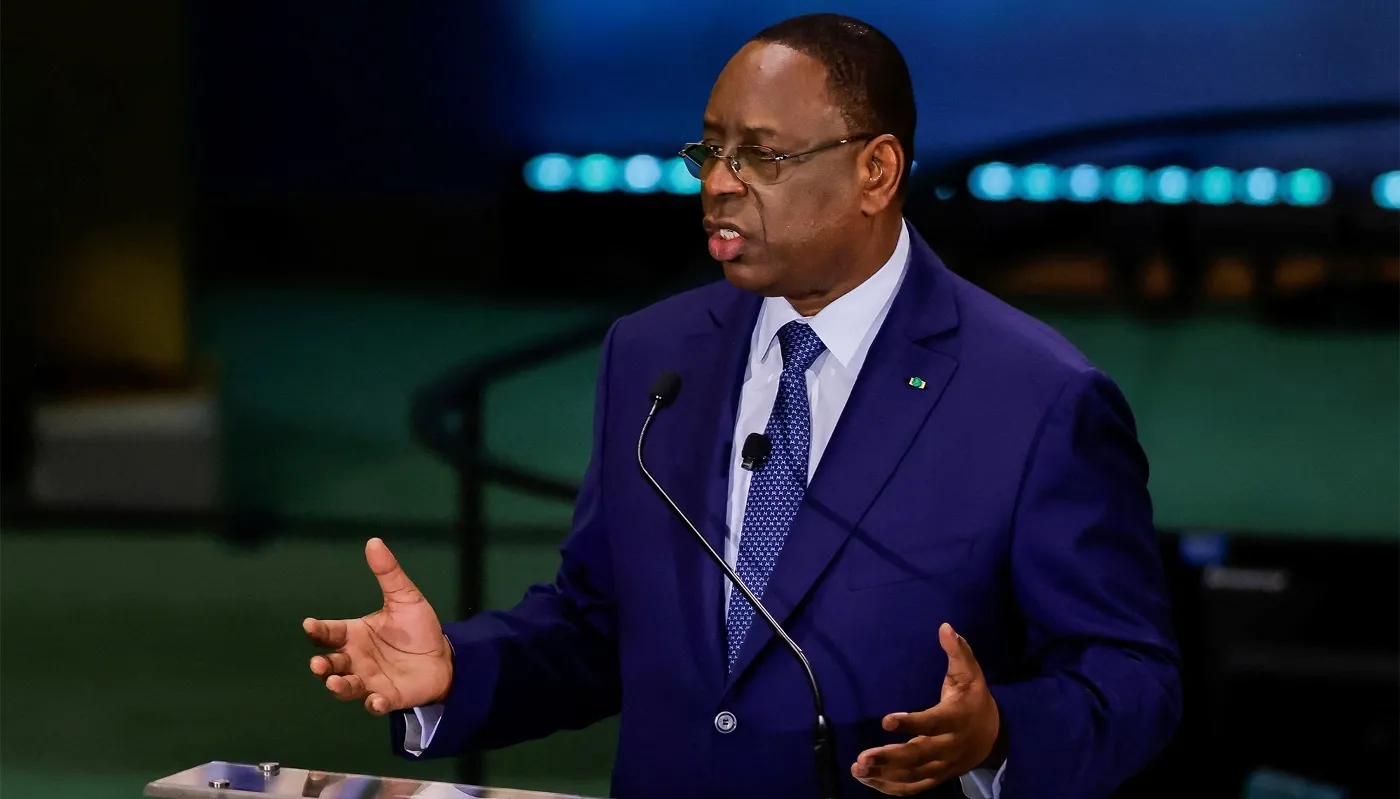
Macky Sall remains a symbol of institutional stability. His peaceful exit from power in 2024 is frequently cited as a benchmark for democratic transitions, creating a point of comparison for the current administration's stability.
Key Takeaways and Future Outlook
As Senegal approaches the 2029 electoral cycle, the country stands at a critical juncture. The ability of the current administration to stabilize the macro-economy while managing the dualities of executive power will determine the nation's democratic health. The true test for the coming years will be whether Senegal can successfully leverage its natural resources to drive inclusive development without sacrificing its unique model of West African democratic stability.