
When will Tesla start selling the Cybercab?
Tesla plans to begin selling the Cybercab to customers by the end of 2026, though the initial phase will focus on internal fleet management. During the company's third-quarter earnings call, Lars Moravy, Tesla's vice president of engineering, clarified that current production is primarily intended to support Tesla's own robotaxi service. The company intends to scale its delivery of these autonomous vehicles to external customers as it gains more experience with ownership and fleet logistics.
This strategy represents a departure from earlier iterations of the robotaxi concept. Previously, the focus remained on a software-based approach to autonomy. Instead, Tesla is now prioritizing the deployment of purpose-built hardware designed specifically for ride-hailing environments.
The transition from software updates to dedicated hardware
For several years, Tesla's roadmap for autonomous ride-hailing centered on the idea of converting existing consumer vehicles into taxis via software updates. However, recent executive commentary suggests a pivot toward dedicated autonomous hardware. This shift implies that Tesla is moving away from a purely software-driven ecosystem toward a model where the vehicle's physical architecture is optimized for a driverless experience from the ground up.
How does the Cybercab design differ from traditional cars?
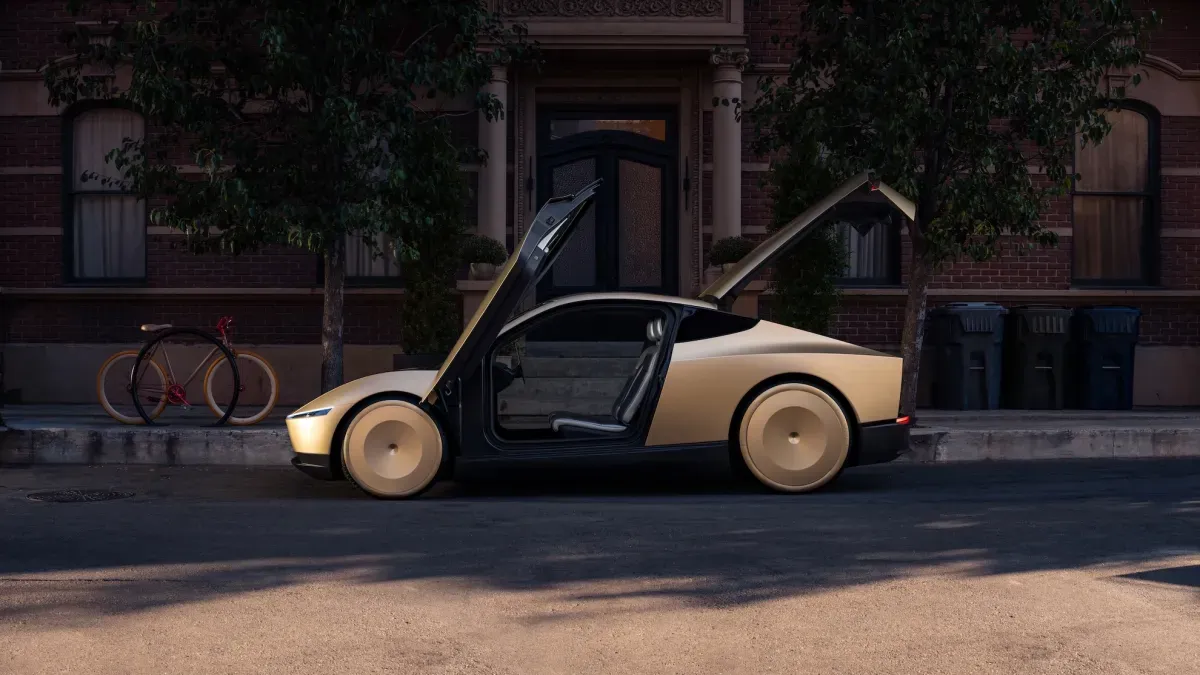
The Cybercab is an autonomous two-seater that lacks traditional manual controls such as a steering wheel and brake pedals. This design choice is intended to maximize the utility of the vehicle as a ride-hailing tool rather than a personal transport device. The vehicle's interior is optimized for passengers who do not need to interact with driving mechanics, reflecting its role in a 'transportation as a service' model.
Elon Musk emphasized during the earnings call that the Cybercab is not primarily intended for individual ownership. He distinguished the Cybercab from existing models like the Model 3, Model Y, and the Roadster, which are designed for personal use. According to Musk, the vast majority of Cybercab units will be owned by Tesla and operated as part of a managed service.
What is the impact of the NHTSA investigation on Cybercab deployment?
The National Highway Traffic Safety Administration (NHTSA) is currently investigating whether the Cybercab meets essential Federal Motor Vehicle Safety Standards (FMVSS). This investigation was launched shortly after the vehicles began operating on public roads in Austin, Texas. The probe focuses on the technical data Tesla used to self-certify the vehicle's safety, specifically regarding its lack of manual controls.
Current federal regulations generally require vehicles to include manual features like rearview mirrors, side mirrors, and brake pedals. While the Department of Transportation has proposed removing these requirements for autonomous-only designs, those changes are not yet fully implemented. The outcome of the NHTSA inquiry will be a decisive factor in whether Tesla can legally operate and sell the Cybercab to the broader market.
Regulatory hurdles and self-certification risks
Automakers typically rely on a process of self-certification to ensure their vehicles comply with FMVSS. Tesla has followed this protocol for the Cybercab. However, because the vehicle lacks the physical interfaces required by existing standards, the NHTSA is scrutinizing the validity of Tesla's safety claims. If the regulator finds that the vehicle does not meet safety thresholds, it could lead to mandatory hardware retrofits or a complete halt of the Cybercab program.
How does the Cybercab rollout affect existing Tesla owners?
The rollout of the Cybercab creates a potential disparity between new autonomous hardware customers and existing Tesla owners waiting for unsupervised software. Tesla's current Full Self-Driving (FSD) system is 'supervised,' meaning it requires a human driver to remain engaged and ready to take control at any moment. While Tesla continues to issue software updates to improve FSD, the requirement for human intervention remains a core limitation.
Elon Musk stated that an unsupervised version of FSD is expected to be rolled out to customers in the second quarter of next year. If these timelines are accurate, third-party fleet operators might gain access to fully autonomous Cybercab hardware before existing Tesla owners receive the software necessary to achieve true unsupervised autonomy in their current vehicles. This creates a bifurcated timeline for Tesla's autonomous ambitions.
What is the core business model for Tesla's autonomous fleet?
Tesla is moving toward a 'transportation as a service' model, where the company maintains ownership of the vehicles to ensure consistent service quality and fleet management. This approach allows Tesla to control the entire user experience, from the vehicle's maintenance to the ride-hailing interface.
By owning the majority of the Cybercab fleet, Tesla can potentially capture a larger share of the revenue generated by autonomous trips. This contrasts with the traditional automotive model, which relies on one-time sales to individual consumers. The company's goal is to scale this service as it masters the complexities of autonomous fleet operations and regulatory compliance.
Frequently asked questions
Will I be able to buy a Cybercab for personal use?
While Tesla has expressed interest in selling Cybercabs to third parties, Elon Musk has stated that the vehicle is primarily designed for transport-as-a-service. Most Cybercabs will be owned by Tesla to support its robotaxi fleet, whereas models like the Model 3 and Model Y remain the primary options for personal ownership.
Does the Cybercab have a steering wheel?
No, the Cybercab is an autonomous two-seater that lacks a steering wheel and other traditional manual controls. This design is intended to optimize the vehicle for ride-hailing, though it has triggered investigations by the NHTSA regarding compliance with existing federal safety standards for manual vehicle operation.
When will unsupervised Full Self-Driving be available?
Elon Musk has indicated that an unsupervised version of the Full Self-Driving (FSD) software is expected to be released to customers during the second quarter of next year. This follows the current 'supervised' version, which still requires a human driver to remain attentive and ready to take over.
Why is the NHTSA investigating the Cybercab?
The NHTSA is investigating the Cybercab to examine the technical data Tesla used to certify the vehicle's safety. The investigation focuses on whether the vehicle complies with Federal Motor Vehicle Safety Standards, particularly since it lacks manual controls like brake pedals and mirrors that are standard in current regulations.
Is the Cybercab already driving on public roads?
Yes, the Cybercab has already begun operating on public streets in Austin, Texas. This deployment preceded the NHTSA's announcement of an investigation into the vehicle's safety certification and its compliance with federal requirements for autonomous vehicles.
Key takeaways
- Tesla plans to start selling the Cybercab by the end of 2026, beginning with its own fleet.
- The Cybercab is a two-seater autonomous vehicle designed without a steering wheel or manual controls.
- NHTSA is investigating whether the Cybercab complies with Federal Motor Vehicle Safety Standards.
- Elon Musk expects unsupervised Full Self-Driving software to roll out in Q2 of next year.
- Tesla is shifting focus from software-based autonomy to dedicated autonomous hardware.
The future of Tesla's autonomous mobility
Tesla's strategy for the Cybercab represents a pivot from software-centric autonomy to a hardware-integrated service model. By prioritizing a dedicated robotaxi fleet, the company is attempting to capture the emerging transportation-as-a-service market. However, the success of this transition depends on two critical factors: navigating the regulatory scrutiny of the NHTSA and successfully delivering the unsupervised FSD software promised to consumers. If Tesla can bridge the gap between its hardware ambitions and regulatory requirements, it may redefine the relationship between vehicle ownership and autonomous mobility.
