How did the student protest movement in Serbia begin?
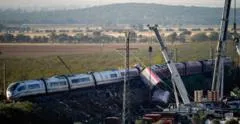
The movement traces its roots to November 1, 2024, following the catastrophic collapse of a concrete canopy at the Novi Sad train station. This accident resulted in the deaths of 16 individuals and became a flashpoint for public anger regarding systemic corruption and infrastructure negligence. Critics specifically pointed to the involvement of the presidency in the station's renovation project as a sign of deep-seated institutional failures.
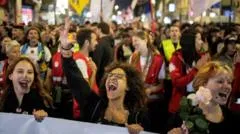
What began as localized, weekly demonstrations by students on university campuses quickly expanded into a nationwide phenomenon. The movement's momentum grew through decentralized organization, utilizing student assemblies or 'plenums' rather than a traditional hierarchical leadership structure. This grassroots approach allowed the protests to transcend student demographics, eventually drawing in diverse sectors of Serbian society, including judicial figures, actors, and agricultural workers.
The shift from campus protests to national mobilization
The escalation of the protests reached a peak in March 2025, when Belgrade hosted one of the largest demonstrations in its recent history. This surge in civil unrest directly impacted the ruling administration; the Serbian Progressive Party (SNS) faced significant instability, leading to the resignation of the prime minister within weeks of the heightened activity. Unlike the 2023 elections, where pro-EU coalitions struggled to maintain unity, the current movement has managed to consolidate disparate opposition voices under a single, non-traditional banner.
What is the platform of the 'Student List-Students Win'?
The 'Student List-Students Win' movement is fielding a diverse slate of candidates who, despite the name, are often established professionals rather than current students. The list includes figures such as cardiologist Ilija Srdanović, former National Bank of Serbia governor Dejan Šoškić, actor Tihomir Stanić, and former basketball star Dejan Bodiroga. This coalition aims to present a professional alternative to the long-standing populist rule of Aleksandar Vučić.
The movement's political agenda is built upon an 11-point program focused on institutional reform and the eradication of corruption. Key objectives include:
- The creation of a specialized police unit dedicated to arresting corrupt officials.
- A purge of the internal affairs ministry to remove those linked to organized crime or the suppression of protesters.
- The restoration of media independence, specifically the liberation of public broadcasters from political influence.
- An end to the practice of appointing party loyalists to lead state-owned enterprises.
While the movement advocates for these structural changes, the Serbian Progressive Party and President Vučić have denied allegations of corruption and political interference in the media.
How does the Serbian electoral system function?
Serbia utilizes a proportional representation system to elect its 250-seat parliament through a single national constituency. This means that voters choose a party list rather than individual local representatives. For the upcoming snap election, there are 18 lists participating, though only seven of these are fielding the full 250 candidates required for a complete parliament.
The electoral process is governed by several key rules:
- Threshold: A political list must receive at least 3% of the total vote to qualify for seats in parliament.
- Voter Eligibility: There are approximately 6.45 million registered voters, with all citizens over the age of 18 entitled to participate.
- Voting Window: On Sunday, polling stations will remain open from 07:00 to 20:00 local time.
The current political landscape is unique because several traditional opposition parties have opted to withdraw their individual lists to support the Student List, thereby concentrating the anti-government vote.
What are the concerns regarding electoral fairness?
While the Serbian election commission maintains that the vote is secret and free, international and domestic watchdogs have raised significant alarms regarding the fairness of the campaign. The Parliamentary Assembly of the Council of Europe (PACE) has characterized the current environment as "tense and divisive," noting a referendum-like atmosphere surrounding the vote.
Independent watchdog CRTA has provided more specific criticisms, alleging that the campaign has been marred by "electoral engineering." According to CRTA, various state institutions, including local governments and ministries, have been utilized to create an uneven playing field. These concerns are compounded by several factors:
- Media Imbalance: Reports indicate that nearly three-quarters of television coverage is devoted to government representatives.
- Violence and Surveillance: Opposition activists have reportedly been subjected to surveillance, and there have been documented instances of threats and physical violence.
- Journalistic Pressure: The European Centre for Press and Media Freedom has recorded approximately 160 attacks on journalists and media outlets within Serbia this year.
The geopolitical dimension of the election
The domestic struggle is further complicated by Serbia's delicate geopolitical positioning. President Vučić has maintained a dual-track approach: supporting Serbia's path toward European Union membership while simultaneously refusing to join international sanctions against Russia following the invasion of Ukraine. This tension has caused friction with EU leaders, particularly after government ministers attended the funeral of war criminal Ratko Mladić, an act viewed by the EU as the glorification of a criminal.
FAQ: Student protest movement in Serbia
What triggered the student protests in Serbia?
The protests were triggered by a fatal accident on November 1, 2024, when a concrete canopy collapsed at the Novi Sad train station. The incident killed 16 people and became a symbol of the corruption and negligence that protesters claim is endemic to the current administration.
Who is leading the Student List-Students Win?
The movement is intentionally leaderless in a traditional sense, relying on student assemblies. However, its prominent candidates include cardiology professor Ilija Srdanović, former National Bank governor Dejan Šoškić, and various professionals from the arts and sports sectors.
How many seats are in the Serbian parliament?
The Serbian parliament consists of 250 seats. These seats are distributed among political lists that meet a minimum threshold of 3% of the total vote under a system of proportional representation within a single national constituency.
Is the upcoming election considered fair by observers?
There are significant concerns regarding fairness. While the official commission claims the process is free, watchdogs like CRTA and PACE have warned of electoral engineering, media bias, and a tense environment involving threats and surveillance of opposition activists.
What is the main goal of the student movement?
The movement's primary goal is to eradicate systemic corruption, reform the internal affairs ministry, ensure the independence of the media and public broadcasters, and end the practice of appointing party loyalists to public enterprises.
Key takeaways
- The student protest movement began following the 2024 Novi Sad train station tragedy.
- The 'Student List' is a diverse coalition of professionals challenging the SNS.
- Serbia uses a proportional representation system with a 3% electoral threshold.
- Watchdogs have reported significant media bias and electoral engineering.
- The election serves as a critical referendum on Aleksandar Vučić's 12-year rule.
The future of Serbian democracy
The upcoming parliamentary election represents a pivotal moment for Serbia's political trajectory. The emergence of the student protest movement has fundamentally altered the opposition landscape, moving away from fractured political parties toward a broad, professional-led coalition. Whether this movement can translate street mobilization into parliamentary seats remains to be seen. However, the concerns raised by international observers regarding media control and electoral engineering suggest that the integrity of the results will be under intense scrutiny. The outcome will likely determine if Serbia continues its current populist path or moves toward the structural reforms demanded by its citizens.