What triggered the El Salvador military operation in Haiti?
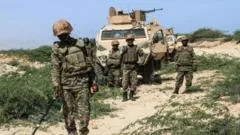
The military intervention was triggered by the ambush and subsequent kidnapping of four Salvadoran air force members in the Croix-des-Bouquets area. According to the Armed Forces of El Salvador, the group was traveling in an armored vehicle back to their camp after purchasing food at a local market when they were targeted by criminal elements. The ambush involved the use of explosives, which caused the vehicle to catch fire.
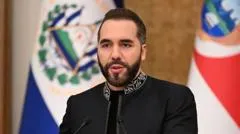
The victims are members of the Gang Suppression Force (GSF), a mission sanctioned by the United Nations Security Council earlier this month. While the mission is designed to combat escalating gang violence in Haiti, President Nayib Bukele emphasized that the specific personnel involved in this incident were not combatants. He clarified via social media that the group consisted of pilots and technical staff whose primary responsibilities involve life-saving activities, such as medical evacuations, rather than active warfare.
Details of the Croix-des-Bouquets ambush
The ambush occurred in a zone known to be under the control of armed criminal groups. The Salvadoran military reported that the personnel were intercepted while returning from a routine task. The intensity of the attack was highlighted by the fact that the armored vehicle used by the team was struck by explosives, necessitating immediate emergency responses. Despite the deployment of Salvadoran helicopters to assist, initial rescue attempts by both land and air were significantly hindered by active fighting and volatile security conditions in the immediate vicinity of the ambush site.
How is the Gang Suppression Force responding to the crisis?
The Gang Suppression Force has actively engaged armed gang elements to locate the missing personnel. Following the initial ambush, the GSF reported that it had initiated search operations involving helicopter support. Early intelligence and reports from the field indicated that several gang members were killed during the exchange of fire that followed the kidnapping.
The primary objective of the current Salvadoran military operation is the safe and immediate return of the four hostages. President Bukele has stated that the mission is singular in its focus: bringing the men home alive and unharmed. He has signaled that the current level of military involvement is a direct response to the "cowardly" nature of the kidnapping, suggesting that the situation could escalate further if the hostages are not returned without injury. Bukele indicated that if the personnel are returned safely, the current heightened state of tension would revert to its previous status.
What is the current security situation in Haiti?
Haiti is currently experiencing an unprecedented level of gang-related instability and political vacuum. Armed gangs have established significant control over the country, currently managing approximately 85% of the capital, Port-au-Prince. This territorial dominance has led to widespread violence and economic disruption across the nation.
The scale of the violence is documented by international observers. According to the UN, more than 5,000 people have been killed or injured in Haiti due to gang violence this year. This follows a devastating 2024, during which more than 5,500 people were killed in gang-related incidents. The United Nations has also issued warnings that these criminal groups are not static; they are actively adapting to increased security measures by extending their influence into rural areas and increasing reprisals against civilians.
The political and economic context of the violence
The security crisis is compounded by a profound lack of political leadership. Haiti has not held a national election since 2016. The political vacuum was exacerbated following the assassination of the country's president in 2021. Most recently, the government was forced to postpone the presidential and legislative elections, which were originally scheduled for December 13, indefinitely. This absence of a functioning democratic process leaves the country vulnerable to the influence of criminal organizations that thrive in the absence of state authority.
What are the implications for international intervention?
The kidnapping of GSF personnel poses a significant challenge to the legitimacy and effectiveness of the UN-sanctioned mission. The fact that non-combatant technical staff were targeted suggests that gangs may view the international security presence as a target for leverage rather than just a force to be avoided. This shift in gang tactics could complicate future deployments and the overall safety of international personnel in Haiti.
The success or failure of the El Salvador military operation in Haiti will likely set a precedent for how the GSF handles hostage situations and direct confrontations with heavily armed groups. If the mission succeeds in retrieving the personnel, it may stabilize the current deployment; however, if the hostages are harmed, the promised escalation from the Salvadoran government could lead to a much more aggressive and potentially destabilizing military presence in the region.
Frequently asked questions
Who are the members of the missing group?
The four missing individuals are Salvadoran air force personnel belonging to the Gang Suppression Force (GSF). They are described as pilots and technical staff focused on medical evacuations and life-saving missions, rather than frontline combatants involved in active warfare.
Where did the ambush take place?
The ambush occurred in Croix-des-Bouquets, an area in Haiti that is currently under the control of heavily armed criminal groups. The personnel were targeted while returning to their camp in an armored vehicle after visiting a local market.
What is the status of the elections in Haiti?
Haiti is currently facing a political vacuum with no elections held since 2016. The presidential and legislative elections that were scheduled for December 13 have been postponed indefinitely due to the ongoing security and political crisis.
How much of Port-au-Prince is controlled by gangs?
Armed gangs currently maintain control over approximately 85% of Port-au-Prince, the capital of Haiti. This widespread control contributes to the significant levels of violence and instability reported throughout the country.
What has the UN said about gang tactics?
The UN has warned that Haitian gangs are adapting to intensified security efforts by stepping up reprisals against civilians and expanding their territorial reach from urban centers into rural areas of the country.
Key takeaways
- Four Salvadoran air force personnel were kidnapped by gangs in Haiti's Croix-des-Bouquets region.
- President Bukele launched a military operation specifically to ensure the hostages return alive.
- Gangs currently control roughly 85% of the Haitian capital, Port-au-Prince.
- The missing personnel are part of the UN-approved Gang Suppression Force (GSF).
- Haiti has not held national elections since 2016, facing a severe political vacuum.
Conclusion
The kidnapping of Salvadoran personnel marks a critical turning point for the Gang Suppression Force and the broader international effort to stabilize Haiti. As President Bukele moves forward with a targeted military operation, the outcome will likely dictate the future tone of international intervention in the country. With gangs controlling the majority of the capital and the political landscape in total disarray, the safety of the four hostages remains a central flashpoint in a nation already struggling with extreme violence and a lack of democratic governance.