How did the Iranian regime protests escalate into a fatal crackdown?
The escalation of the Iranian regime protests was driven by deep-seated economic discontent that eventually transformed into a broader movement demanding the end of the Islamic Republic. These demonstrations reached a critical mass in early 2026, specifically around January, when protesters responded to calls for mobilization by figures such as Reza Pahlavi, the exiled son of the former Shah.
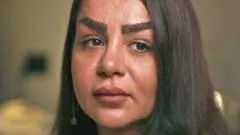
According to Samira, a mother who lost her daughter during these events, the sheer volume of participants appeared to alarm the government. She reports that following a period of high-intensity demonstrations, security forces issued a shoot-to-kill order. Although many citizens initially viewed such threats as mere rhetoric used to intimidate the public, the reality on the ground proved much more lethal. The presence of both the Islamic Revolutionary Guard Corps (IRGC) and the paramilitary Basij Resistance Force became increasingly prominent as the state sought to regain control of the streets.
The role of security forces in the violence
The crackdown involved a coordinated effort by various state branches to suppress dissent. Samira describes a scene where the security forces appeared to outnumber the protesters, utilizing tactical advantages such as rooftop positions to target individuals within the crowds. This methodology suggests a deliberate strategy to instill fear through precision violence rather than simple crowd control.
What was the personal impact of the violence on Samira and Sevda?
The death of 16-year-old Sevda serves as a harrowing micro-history of the broader violence experienced during the Iranian regime protests. On January 9, while participating in demonstrations on the outskirts of Tehran, Sevda was fatally shot by a sniper. Samira recalls the immediate aftermath as a moment of profound shock, describing her daughter being struck in the heart by a bullet fired from a nearby building rooftop.
The trauma extended beyond the initial shooting into the institutionalized struggle to recover her remains. Samira recounts a harrowing experience at a Tehran morgue, where she had to search through numerous body bags to find her child. She describes finding Sevda piled beneath three other bodies, a detail that highlights the scale of the mortality during that period. The difficulty in reclaiming her daughter's body was not merely logistical but also political, as authorities allegedly pressured grieving families to alter their accounts of how their loved ones died.
How have Iranian authorities responded to allegations of human rights abuses?
The Iranian government has consistently denied responsibility for the deaths of protesters, instead attributing the violence to external interference. The Iranian embassy in London stated to BBC Panorama that peaceful protests were hijacked by foreign powers, including the United States, which they claim provided weapons and equipment to compromise public security. This narrative aims to shift the blame from domestic security forces to international agitators.
Official state figures acknowledge that more than 3,000 people died during the unrest, but they maintain that some of these casualties were members of the security forces themselves. This stands in stark contrast to the findings of independent monitors. The Hrana human rights group estimates that the death toll is actually higher than 7,000, with the vast majority being civilian protesters. This discrepancy in data illustrates the ongoing battle over the historical record of the uprising.
Pressure on grieving families
Beyond the immediate violence, the state has reportedly used psychological and economic pressure to control the narrative. Samira alleges that she was offered material perks, such as housing, in exchange for declaring her daughter a 'martyr' for the state—a move that would have required claiming Sevda was a Basiji killed by protesters rather than a victim of the security forces. Such tactics represent a systemic effort to co-opt the grief of citizens to bolster state legitimacy.
Why did Samira flee Iran and what are the risks of exile?
Samira fled Iran following the 40th-day anniversary of her daughter's death, a significant period in Iranian cultural mourning, due to escalating harassment from the Ministry of Intelligence. Her escape involved navigating dangerous mountainous terrain and crossing rivers to reach safety abroad. She now lives in hiding, describing herself as a 'one-woman army' dedicated to identifying the specific officials and security members responsible for the fatal shots fired during the protests.
Exile has not provided total safety, as the Iranian legal system continues to target those who speak out from abroad. Samira has been charged in absentia with 'moharebeh'—a charge of waging war against God—which is a capital offense in the Islamic Republic. Furthermore, the reach of the regime extends to her remaining family in Iran. Following a digital vigil held for Sevda, Samira’s relatives reported that the event was raided by the IRGC, leading to several arrests and threats that her daughter's body would be exhumed if the family continued to mourn publicly.
FAQ: Iranian regime protests
What is the estimated death toll of the protests?
The exact number of fatalities remains a point of contention. While Iranian authorities acknowledge over 3,000 deaths, they claim some were security personnel. Conversely, the human rights group Hrana estimates the number of deceased exceeds 7,000, with most being protesters.
Who are the Basijis and the IRGC?
The Islamic Revolutionary Guard Corps (IRGC) is a branch of the Iranian military tasked with defending the Islamic establishment. The Basij is a paramilitary volunteer force that operates under the authority of the IRGC and is frequently used in domestic security operations.
What is 'moharebeh' in the Iranian legal context?
Moharebeh is a criminal charge in Iran that translates to 'waging war against God.' It is a serious offense used against those perceived as threats to the state or the Islamic order, and it can carry the death penalty.
How has the Iranian government explained the unrest?
The Iranian government maintains that the protests were not organic but were instead orchestrated and fueled by foreign powers, specifically citing the United States, to destabilize the country's public security and political structure.
What happened to Samira after she left Iran?
After escaping to safety abroad, Samira has continued to advocate for justice by speaking to international media. In response, the Iranian state has charged her in absentia with several offenses, including waging war against God, while her family in Iran faces ongoing surveillance and arrest.
Key takeaways
- Human rights group Hrana estimates over 7,000 deaths during the protests, primarily protesters.
- The Iranian government attributes the unrest to foreign interference, specifically from the US.
- Security forces, including the IRGC and Basij, were involved in the crackdown.
- Samira, a mother in exile, is seeking accountability for her daughter's death.
- The charge of 'moharebeh' is used against those perceived to be fighting the state.
Conclusion
The Iranian regime protests represent a profound period of national trauma, marked by a significant gap between official state narratives and the lived experiences of citizens. Through the lens of Samira's struggle, it becomes evident that the impact of the violence extends far beyond the initial casualties, encompassing systemic harassment and the criminalization of grief. As the fight for accountability continues from exile, the tension between state control and the demand for justice remains a defining feature of the post-uprising landscape in Iran.