The deployment of Salvadoran forces to Haiti
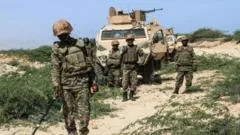
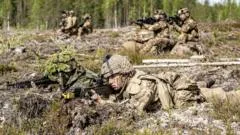
El Salvador has initiated a robust military deployment to Haiti, sending more than 2,000 soldiers to assist in a high-stakes mission. The primary objective of this movement is to retrieve four Salvadoran nationals who disappeared in the Caribbean nation nearly two weeks ago. According to a statement from the Salvadoran foreign ministry on Wednesday, President Nayib Bukele communicated this decision directly to Haitian Prime Minister Alix Didier Fils-Aime.
Beyond the search for the missing personnel, the deployment serves a dual purpose. President Bukele indicated that the soldiers would provide assistance to ongoing security operations intended to combat the pervasive gang presence in Haiti. The Salvadoran government described this as a "large-scale operation" that is receiving support from various international organizations and multiple countries. This move marks a significant escalation in El Salvador's direct involvement in the regional security landscape.
The ambush and disappearance of air force technicians
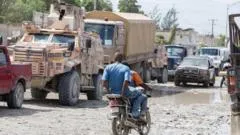
The crisis began when four Salvadoran air force technicians, who were serving as part of the UN-backed Gang Suppression Force (GSF), were ambushed while in transit. The technicians were traveling back to their military base in an armored vehicle when they were intercepted in a territory controlled by the Croix-des-Bouquets armed group. Despite the severity of the incident, no specific gang has officially claimed responsibility for the ambush at this time.
Tensions between El Salvador and Haiti have surged as the search continues. The situation was further complicated by a dispute over remains. Earlier this week, Haitian authorities handed over four bodies to special forces, asserting they were the missing servicemen. However, President Bukele rejected this claim, stating the bodies did not match the missing soldiers. He noted specific discrepancies, including one corpse being that of a child and another wearing a military uniform from a different nation. This disagreement has added a layer of diplomatic friction to an already volatile situation.
Escalating gang violence and the security vacuum
The deployment comes at a time when Haiti is struggling to maintain order amidst a profound political and security vacuum. Since the assassination of President Jovenel Moïse in 2021, the country has seen a dramatic rise in instability. Armed gangs now control significant portions of the capital and other strategic regions, making it difficult for multinational forces to operate effectively.
The human cost of this instability is staggering. According to the UN, more than 5,700 people have been killed due to gang-related violence in Haiti this year. The Gang Suppression Force, which was granted expanded powers by the UN Security Council in October of last year, continues to face immense challenges in penetrating the areas where these armed groups hold absolute sway. The inability to secure these territories has left much of the population vulnerable to the escalating cycle of violence.
Bukele's warning and the threat of intervention
President Bukele has taken a hardline stance regarding the fate of the Salvadoran soldiers. In a recent post on the social media platform X, he issued a direct threat to the Haitian gangs, suggesting that if the Salvadorans are not released, he will replicate the aggressive tactics he utilized to dismantle gang control in El Salvador. This rhetoric highlights the potential for increased regional tension if the mission does not achieve its goals quickly.
Frequently Asked Questions
Why did El Salvador send troops to Haiti?
El Salvador deployed over 2,000 soldiers primarily to locate four missing air force technicians who disappeared during an ambush. Additionally, President Bukele stated that the troops are intended to assist in security efforts to combat the gangs currently destabilizing Haiti.
What happened to the missing Salvadoran soldiers?
The four technicians, who were part of the Gang Suppression Force, were ambushed while traveling in an armored vehicle. The incident occurred in an area of Haiti controlled by the Croix-des-Bouquets gang. No group has yet claimed responsibility for the disappearance.
Why does President Bukele dispute the bodies provided by Haiti?
President Bukele claimed that the four bodies handed over by Haiti did not match the missing servicemen. He reported that one of the corpses was a child and another was wearing a military uniform belonging to a different country, contradicting Haitian official claims.
How much violence has occurred in Haiti this year?
The security situation in Haiti is extremely severe. According to the UN, more than 5,700 people have been killed in gang-related violence throughout this year. This follows years of instability that worsened significantly after the 2021 assassination of President Jovenel Moïse.
The future of regional security in Haiti
The deployment of Salvadoran troops represents a critical turning point in the international response to Haiti's internal collapse. While the mission is ostensibly a rescue operation, the involvement of a large military force under Bukele's leadership suggests a potential shift toward more aggressive interventionism. The success or failure of this mission will likely dictate the future level of Salvadoran involvement in Caribbean security and may influence how the UN-backed Gang Suppression Force operates in the face of entrenched criminal organizations. As the search for the technicians continues, the international community remains watchful of whether this deployment can break the cycle of violence or if it will further complicate the delicate political landscape in Haiti.