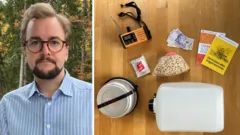
What does a modern emergency preparedness kit include?
The composition of a crisis kit varies significantly based on regional threats, ranging from basic survival items to advanced technological redundancies. In Japan, where earthquake and typhoon risks are constant, preparedness often centers on portable, immediate-access items. For instance, Ayumi T., a resident of Tokyo, maintains a rucksack containing clothing, towels, menstrual products, and disposable hygiene items like masks and toilets.
In contrast, households in the United States often focus on long-term resource stability. A resident in Maryland, Dan C., has invested approximately $6,000 in a comprehensive system that includes 150 gallons of water and specialized purification tools like chlorine dioxide tablets. This level of preparation shifts the focus from immediate survival to sustained household autonomy during extended outages.
Essential categories of survival supplies
While individual kits are highly personalized, several core categories emerge as universal requirements for effective disaster readiness:
- Water and Hydration: This includes large-scale storage containers, portable filtration methods, and purification tablets to ensure safe drinking water when municipal systems fail.
- Nutrition and Food Security: Strategies like the "rotating pantry" ensure that long-life staples such as oats, quinoa, and peanut butter are consumed and replaced before they expire.
- Energy and Communication: Modern kits increasingly feature solar panels, power banks, crank radios, and even satellite internet devices like Starlink Mini to maintain connectivity.
- Medical and Hygiene: Beyond standard first-aid kits, advanced preparations include specialized bleeding control kits and comprehensive sanitation supplies.
How do different regions approach disaster readiness guidance?
Governmental involvement plays a pivotal role in shaping how citizens perceive and act upon the need for preparedness. In Sweden, the government issues official booklets to every household, detailing necessary actions for both natural crises and potential conflict. This top-down approach provides a standardized framework for citizens like Andreas Wennerberg, who used the guide to build a basement stockpile including cash and water.
The Netherlands and the UK have recently moved toward recommending a 72-hour self-sufficiency window. Dutch authorities launched a campaign in late 2025 instructing households to maintain three days of supplies. This guidance is intended to reduce the immediate burden on emergency services, allowing them to prioritize the most vulnerable populations during a crisis. While some residents remain skeptical of the specific three-day timeframe, the consensus is that basic household readiness facilitates more efficient large-scale disaster response.
What are the psychological drivers behind emergency stockpiling?
The motivation for maintaining emergency supplies ranges from parental responsibility to a reaction to changing climate patterns. For many, preparedness is not a product of panic but a calculated method of risk management. Dan C. in Maryland views his $6,000 investment as a fundamental responsibility of parenthood, a mindset reinforced by previous experiences with power outages during extreme cold.
Other individuals are driven by observed environmental shifts. Nicole Bonds, a leadership coach in Atlanta, notes that her interest in preparedness has grown over five years due to the increasing frequency of severe weather and storms. For these individuals, the goal is to move from a state of potential vulnerability to one of controlled readiness. As Michael Stuut from the Netherlands suggests, the objective is not to live in fear, but to remain the "calm one" when infrastructure fails.
How can households manage supplies without excessive waste?
A significant challenge in emergency preparedness is the risk of resources expiring before they are ever used. To combat this, proactive individuals employ systematic management techniques to ensure their stocks remain viable and cost-effective.
One effective method is the "rotating pantry" system. Instead of letting emergency food sit indefinitely, households incorporate their long-life supplies into their regular diet, replacing them with fresh stock as they are consumed. This ensures that items like grains and canned goods are always within their shelf life. Additionally, some users have turned to technology to manage these inventories, such as using custom applications to log expiration dates and monitor stock levels.
Financial management is another critical component. Rather than making large, overwhelming purchases, some practitioners prefer a gradual approach. By purchasing small amounts of essential items—such as batteries, blankets, or hygiene products—"here and there," individuals can build a robust kit over time without significant financial strain. This incremental method makes preparedness more accessible and less prone to the "catastrophizing" that can lead to impulsive, unorganized spending.
Frequently asked questions
What is the recommended duration for emergency food and water supplies?
Many governments, including those in the UK and the Netherlands, recommend that households maintain at least 72 hours of essential supplies. This window is designed to provide immediate self-sufficiency while emergency services manage the initial stages of a large-scale disaster or infrastructure failure.
How can I prevent my emergency food from expiring?
Implementing a "rotating pantry" is the most effective strategy. Regularly incorporate your long-life emergency foods, such as oats or canned goods, into your daily meals, and replace them with new supplies. This ensures your stock is always fresh and ready for use.
Is it necessary to invest in expensive technology for preparedness?
Not necessarily. While advanced tools like satellite internet or solar arrays provide high levels of autonomy, basic preparedness can be achieved through affordable, incremental purchases of batteries, crank radios, and manual tools. The focus should be on meeting your specific household needs.
Why do some people find emergency planning stressful?
Stress often stems from "catastrophizing," or focusing solely on worst-case scenarios. To mitigate this, view preparedness as a routine responsibility or a way to ensure household stability rather than a reaction to imminent danger. Systematic planning can transform anxiety into a sense of control.
What are the most critical items for a portable emergency bag?
A portable kit, often used for immediate evacuation, should include essential items such as clothing, towels, hygiene products, masks, and basic medical supplies. It should be lightweight enough to carry and kept in an easily accessible location, such as a wardrobe.
Key takeaways
- Government guidance in Sweden and the Netherlands encourages households to maintain at least 72 hours of essential supplies.
- The "rotating pantry" method prevents food waste by integrating emergency stocks into regular household consumption.
- Preparedness motivations vary from parental responsibility to responding to increased frequency of extreme weather events.
- Effective kit management can be achieved through gradual, incremental purchases to maintain affordability.
- Modern kits increasingly integrate technology, including solar power and satellite communication, for enhanced resilience.
Conclusion
Emergency preparedness has evolved from a niche activity into a recognized component of responsible household management. Whether through the structured guidance of government booklets or personal responses to environmental changes, individuals are increasingly adopting diverse strategies to ensure resilience. From the rotating pantries of the US to the portable evacuation kits in Japan, the common thread is a shift from reactive panic to proactive planning. Ultimately, maintaining a baseline of supplies—water, food, and communication tools—serves a dual purpose: it protects the individual family unit and reduces the systemic pressure on emergency services during a crisis.