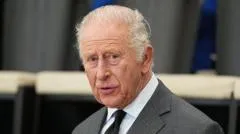
King Charles III’s Caribbean tour marks a critical juncture for the British monarchy as he visits the Bahamas, Guyana, and Antigua and Barbuda. This nine-day mission coincides with the Commonwealth Heads of Government Meeting and faces intense scrutiny regarding historical slavery reparations. While the King intends to acknowledge the "appalling atrocity" of the transatlantic slave trade, he will follow government guidance by not issuing an official apology. This visit carries significant diplomatic weight, especially for nations like Guyana, while testing the King's ability to manage complex moral debates and domestic royal distractions.
Why is the King Charles Caribbean tour considered a high-stakes mission?
The King Charles Caribbean tour is viewed by historians as one of the most significant risks of his reign due to the unpredictable nature of the political and moral debates currently unfolding in the region. Unlike standard diplomatic visits, this nine-day itinerary places the monarch directly at the center of the contentious discussion regarding reparations for the transatlantic slave trade. According to historian Sir Anthony Seldon, the questions surrounding slavery and apologies mean the very moral integrity of the monarchy is being put to the test.
The trip involves three distinct nations: the Bahamas, Guyana, and Antigua and Barbuda. While the schedule is meticulously planned, the King faces elements outside of his direct control, specifically the rising tide of republicanism and the demand for financial compensation from former colonial powers. The monarchy must balance its traditional role with a modern requirement to acknowledge historical wrongs without overstepping the constitutional bounds of the British government.
The tension between acknowledgment and apology
A primary challenge for Buckingham Palace is the distinction between acknowledging historical atrocities and issuing a formal state apology. The King has previously described the slave trade as an "appalling atrocity" that left an "indelible stain" on history. However, he is expected to follow government advice and refrain from a formal apology for Britain's role in the trade. This creates a delicate diplomatic tightrope: the King must show empathy and respect for the suffering of ancestors without triggering a constitutional crisis or setting a legal precedent for reparations that the UK government is currently unwilling to meet.
How will the King address the issue of reparations and republicanism?
The King's visit occurs against a backdrop of significant political shifts in the Caribbean, where leaders in all three visited nations have voiced support for reparatory justice. In the Bahamas and Antigua and Barbuda, where the King serves as head of state, there is substantial public and political momentum toward transitioning to a republic. In Antigua and Barbuda, elected officials have already moved away from the 40-year tradition of swearing allegiance to the monarch.
While the local leadership in Guyana, the Bahamas, and Antigua and Barbuda will likely celebrate the King's work in areas such as rainforest protection, trade, and agriculture, they are doing so while maintaining their stance on reparatory justice. The current Burnham administration in Guyana, much like its predecessors, does not intend to pay reparations. This creates a landscape where the King's presence is simultaneously a symbol of historical connection and a catalyst for modern political dissent.
What are the diplomatic implications for the Commonwealth?
For smaller nations, a state visit from the British monarch provides significant international validation. Former Foreign Secretary David Lammy, who has deep familial ties to the region, noted that for a country like Guyana, the visit is a major milestone. Lammy, whose father emigrated from what was then British Guiana, emphasized that while the King will likely be received positively, the "lively democracies" of the Caribbean will naturally host dissent and protest.
The success of this tour could have a profound impact on the future of the Commonwealth. If the King can navigate the delicate balance of acknowledging the past while maintaining the relevance of the institution in a changing geopolitical landscape, it could be viewed as a major triumph. Sir Anthony Seldon noted that the King's ability to handle this trip personally and diplomatically could determine the future stability of the Commonwealth relations.
The role of the UK government and local leadership
The division of responsibility between the Crown and the State is central to the tour's management. Buckingham Palace has stated that acknowledging past wrongs will be integrated into the King's programme. However, the decision-making power regarding financial reparations remains firmly with the UK government. This separation is intended to protect the monarchy from being the sole target of political demands, yet it also leaves the King in a position where he must represent a state that many in the region feel owes a debt.
How do domestic royal distractions impact the tour's success?
The King's ability to command global attention is being tested by a series of high-profile controversies within the Royal Family in the UK. The surprise return of the Duke and Duchess of Sussex to the United Kingdom has generated intense media coverage, which the Palace finds unsettling. This domestic noise, combined with the legal and personal complexities surrounding Meghan Markle's family, threatens to overshadow the King's diplomatic efforts in the Caribbean.
Furthermore, the King is managing these international pressures while dealing with his own health challenges. Following a cancer diagnosis, the King is maintaining a rigorous schedule of approximately 36 engagements over nine days. While Buckingham Palace maintains he is on a "positive trajectory," the physical demands of a transatlantic tour at age 78 cannot be overlooked. Queen Camilla will join him for the final leg in Antigua and Barbuda for the Commonwealth Heads of Government Meeting (Chogm), but the heavy lifting of the initial legs falls solely on the King.
What lessons were learned from previous royal Caribbean visits?
The 2026 tour is being planned with a keen awareness of the "optics" failures experienced by senior royals in 2022. During a previous visit, the Duke and Duchess of Cambridge (now Prince and Princess of Wales) faced criticism for engagements that appeared clumsy or outdated, such as interacting with children through wire fences. Those visits also saw protests that forced changes to the official schedule.
To avoid a repeat of these missteps, the current planning includes robust security preparations designed to accommodate the likelihood of protests. The goal is to ensure that the King's engagements—focused on cultural ties, energy, and agriculture—are perceived as respectful and contemporary rather than out of touch with the modern Caribbean reality. The Palace is treating protests not as disruptions to be avoided at all costs, but as a standard part of the open democratic debate in the region.
Frequently asked questions
Will King Charles III apologize for the slave trade?
The King will not issue an official apology for the United Kingdom's role in the transatlantic slave trade. While he plans to acknowledge the "appalling atrocity" of the past, Buckingham Palace has stated that decisions regarding formal apologies and reparations remain matters for the British government.
What is the purpose of the King's visit to the Caribbean?
The visit aims to reinforce relationships regarding trade, energy, and agriculture, while also highlighting the King's work in rainforest protection. Additionally, the trip leads into the Commonwealth Heads of Government Meeting (Chogm) in Antigua and Barbuda.
Are Caribbean nations moving toward becoming republics?
Yes, there is significant support for republicanism in several visited nations. In the Bahamas and Antigua and Barbuda, the conversation about removing the monarch as head of state is prominent, with some officials already moving away from swearing loyalty to the Crown.
How is the King's health affecting the tour?
The King is conducting the tour while undergoing treatment for cancer. Although Buckingham Palace describes his health as being on a "positive trajectory," the intense schedule of 36 engagements over nine days is a significant undertaking for the 78-year-old monarch.
Will there be protests during the royal tour?
Protests are expected due to the ongoing debates over reparations and the history of colonialism. Royal planners are treating these demonstrations as part of the region's democratic process and have included them in their security and logistical preparations.
Key takeaways
- The King's nine-day tour covers the Bahamas, Guyana, and Antigua and Barbuda.
- The monarchy faces intense scrutiny over historical slavery reparations and moral integrity.
- The King will acknowledge historical wrongs but will not issue a formal state apology.
- Several visited nations are actively debating a transition to republicanism.
- The tour coincides with the Commonwealth Heads of Government Meeting (Chogm).
Conclusion
The King Charles Caribbean tour represents a high-stakes balancing act between historical accountability and diplomatic continuity. By navigating the sensitive waters of slavery reparations and the rising tide of republicanism, the King has the opportunity to redefine the monarchy's role in the 21st century. While domestic royal distractions and personal health challenges present significant hurdles, the success of this mission will be measured by his ability to show genuine empathy for the region's past without compromising the constitutional position of the Crown. Ultimately, the tour serves as a litmus test for the future of the Commonwealth.