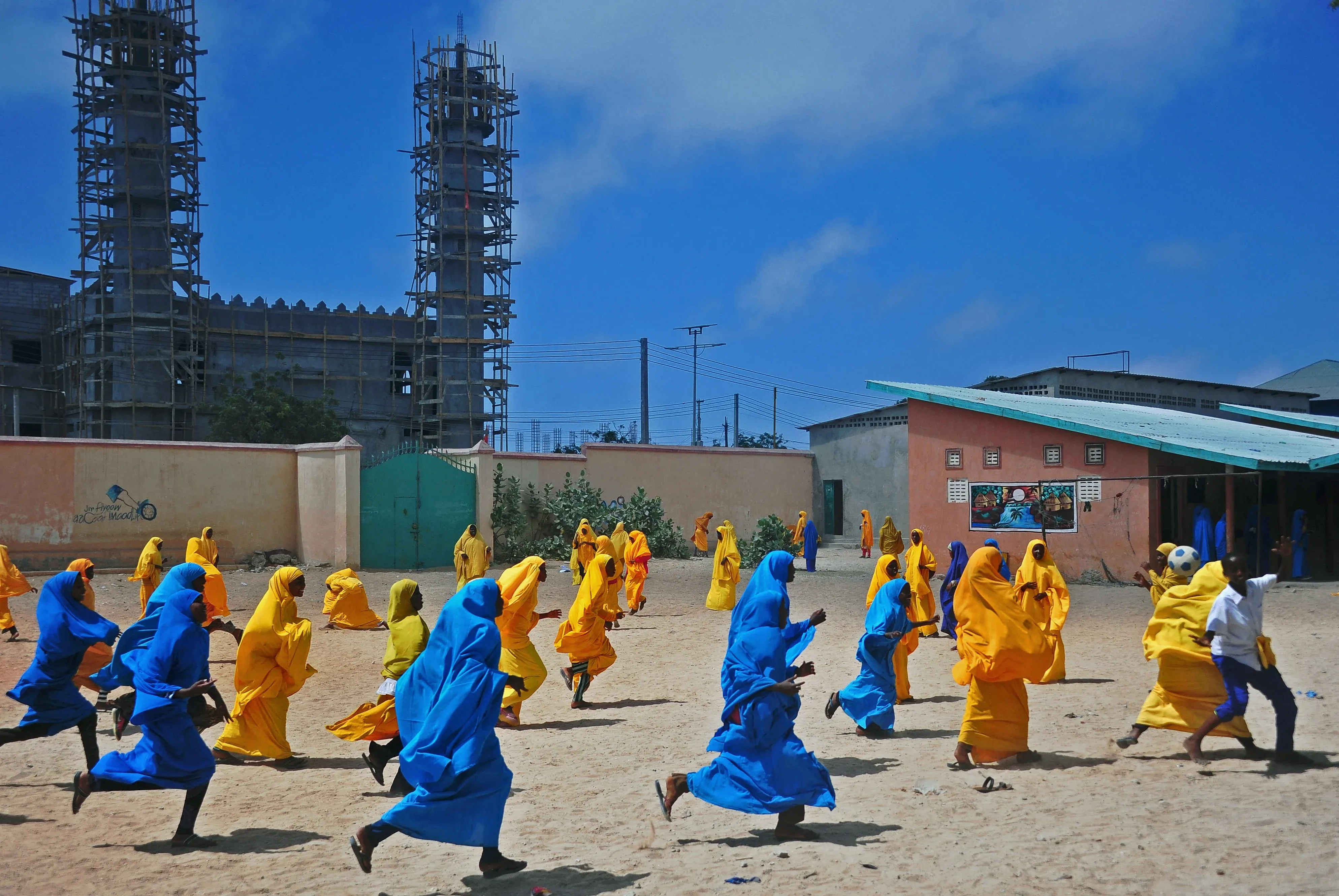
Why are adolescent exercise levels failing to meet global standards?
Only a small fraction of the world's youth are meeting the physical activity thresholds necessary for healthy development. The World Health Organization (WHO) recommends that adolescents engage in at least 60 minutes of moderate-to-vigorous exercise daily—activities intense enough to raise the heart rate, such as brisk walking or organized sports. However, recent data indicates that only 14% of children and teenagers globally achieve this target.
The scale of the issue is underscored by the fact that the average adolescent reports fewer than three days of such activity per week. This lack of movement is not a recent phenomenon; Fiona Bull, head of the physical activity unit at the WHO and co-author of the study, noted that the trend has remained flat for the past 15 years. This stagnation suggests that current global health strategies are failing to produce meaningful behavioral changes in younger populations.
The long-term risks of sedentary lifestyles
Establishing physical activity habits during adolescence is critical because these years often set the foundation for adult behavior. Solveig Cunningham, a global health researcher at Emory University, explains that if an adolescent's baseline is zero days of activity, that pattern is highly likely to persist into adulthood. This creates a cycle of sedentary behavior that can lead to significant long-term consequences for both individual and societal health.
How do socioeconomic factors influence teen activity?
Economic status and geography play a decisive role in how much movement a teenager can access. The study found that adolescents in low- and middle-income countries are generally less active than those in wealthier Western nations. This disparity is often driven by a lack of opportunity rather than a lack of interest.
Andrea Ramirez Varela, an epidemiologist at the University of Texas Health Science Center in Houston, suggests that physical activity is fundamentally an issue of opportunity. In many developing regions, the environment often restricts active play. While rural adolescents in these areas may move more out of necessity, those in rapidly growing urban centers face several barriers:
- Urban Design: Many cities are not built to be walkable, making it difficult for youth to move around independently.
- Safety Concerns: In regions like Latin America, parents often restrict children from walking alone or playing outside due to safety fears.
- Environmental Health: High levels of air pollution in urban centers can make outdoor exercise hazardous.
- Digital Sedentary Behavior: The rise of screen time provides a highly attractive, low-effort alternative to physical activity after school hours.
What causes the significant gender gap in physical activity?
A persistent and worrying trend identified in the research is the widening gap between boys and girls regarding physical movement. Girls are consistently less active than their male counterparts across nearly all studied countries. The data reveals that approximately 30% of girls report no weekly exercise at all, compared to 22% of boys. Furthermore, only 11% of girls meet the daily activity requirement, while 17% of boys do so.
These differences are often rooted in deep-seated cultural norms and social expectations that emerge during puberty. Solveig Cunningham highlights that in various regions, social taboos can discourage girls from participating in vigorous sports or spending time in public spaces.
Cultural barriers and the nature of activity
In some cultures, the perception of physical activity is tied to social standing or marriageability. For instance, in parts of India, cultural norms may discourage girls from being active outdoors to avoid skin darkening, which is sometimes viewed as having negative implications for future marriage prospects. Additionally, the type of activity performed by girls often differs from that of boys. In both South Asia and the United States, a significant portion of girls' activity consists of domestic chores. While sweeping or housework involves movement, it does not provide the same cardiovascular benefits as the more intense, structured play typically enjoyed by boys.
How can policymakers improve adolescent physical activity?
Addressing the decline in adolescent movement requires a multi-faceted approach that targets the environments where young people spend the most time. While large-scale urban redesign to create walkable cities is a long-term goal, experts suggest that schools offer a more immediate opportunity for intervention.
Data indicates that countries with higher rates of adolescent exercise typically provide more structured opportunities for sports during or after the school day. Andrea Ramirez Varela suggests that building accessible and affordable sports programs within school settings could be a primary way to "move the needle." However, implementing these changes requires sustained political will. Policymakers must balance the need for physical activity programs against competing budgetary and social interests. The cost of inaction is high; failing to address these habits now will only increase the future societal burden of poor mental and physical health in adulthood.
FAQ: Adolescent Exercise Levels
What is the WHO recommendation for teen exercise?
The World Health Organization recommends that adolescents engage in at least 60 minutes of moderate-to-vigorous physical activity every day. This includes activities that increase the heart rate, such as playing soccer, running, or brisk walking, to support growing bodies and minds.
How many teens actually meet these guidelines?
According to the study in The Lancet Global Health, only about 14% of adolescents worldwide report getting the recommended hour of daily exercise. Most adolescents report fewer than three days of such activity per week, indicating a global trend of inactivity.
Why are girls less active than boys?
Girls tend to be less active due to cultural norms, safety concerns, and social taboos that often emerge during puberty. In many regions, girls may also engage in more sedentary domestic chores rather than the high-intensity sports often available to boys.
Does income level affect physical activity?
Yes, adolescents in low- and middle-income countries tend to be less active than those in wealthier nations. This is often due to limited opportunities, such as unsafe urban environments, lack of walkable infrastructure, and restricted access to organized sports programs.
Can childhood inactivity affect adulthood?
Yes, establishing a sedentary lifestyle during adolescence can create a lifelong baseline of inactivity. Researchers suggest that if a teen does not establish regular movement habits, they are much more likely to carry that inactivity into their adult years.
Key takeaways
- Only 14% of adolescents worldwide meet the WHO daily exercise recommendation.
- A significant gender gap exists, with 30% of girls reporting no weekly exercise.
- Socioeconomic barriers, including urban design and safety, limit activity in lower-income regions.
- Inactivity trends have remained largely unchanged for the past 15 years.
- School-based sports programs are identified as a primary tool for intervention.
Conclusion
The global stagnation in adolescent physical activity represents a significant public health challenge. With only a small minority of youth meeting essential health guidelines, the divergence in activity levels based on gender and economic status is particularly concerning. Addressing these gaps requires more than just individual effort; it necessitates structural changes in urban planning, cultural shifts regarding gender roles, and robust investment in school-based physical education. By prioritizing movement during these formative years, society can mitigate the long-term health costs associated with sedentary lifestyles and foster a healthier transition into adulthood for the next generation.