Details of the fatal attacks in Afyonkarahisar
A series of shootings in the Afyonkarahisar province claimed eight lives on Thursday, with victims discovered in three distinct vehicles. According to reports from the Anadolu Agency, the violence was spread across multiple rural areas, complicating initial emergency responses. Three fatalities were recorded near Ayazini village, while another three individuals were killed in the vicinity of Kiyir village.
The carnage extended to Yukaritandir, where two women were found with serious injuries. Despite medical intervention, both women later succumbed to their wounds in the hospital. Among those confirmed dead were two teachers, adding a tragic dimension to the local impact of the violence. The coordinated nature of the attacks, targeting different locations and vehicles, suggests a highly mobile and calculated sequence of events.
Law enforcement response and the suspect's flight
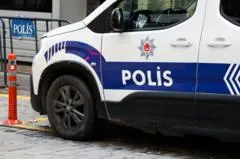
Police immediately implemented road closures leading to the affected villages to secure the crime scenes and facilitate a large-scale search operation. Local media outlets, including the newspaper Milliyet, reported that the attacker utilized a vehicle that was eventually discovered stuck in mud. The suspect reportedly abandoned the vehicle before continuing the flight on foot.
CCTV footage released by Turkish media provided a visual profile of the individual responsible. The footage depicted a man wearing a black jacket, white trousers, and glasses, carrying a long weapon while standing near a red minivan. This visual evidence proved crucial as authorities transitioned from a local search to a wider manhunt involving multiple jurisdictions.
Arrest of the suspect in Eskişehir
The manhunt concluded when authorities announced that the suspect had been apprehended in the neighboring Eskişehir province. Following the arrest, the Afyonkarahisar Governorate released a statement via social media to address the public's concerns regarding the security breach. The governorate emphasized that state institutions had been working in close coordination from the onset of the crisis.
The statement noted that all relevant agencies were meticulously carrying out necessary investigative work to piece together the motive and circumstances behind the killings. While the suspect is in custody, the investigation remains ongoing to determine the exact timeline of the shootings and the relationship, if any, between the victims and the perpetrator.
Frequently Asked Questions
Where did the shootings in western Turkey take place?
The attacks occurred within the Afyonkarahisar province in western Turkey. Specifically, fatalities were reported near Ayazini village, Kiyir village, and in the area of Yukaritandir. The suspect was eventually located and arrested in the nearby Eskişehir province following a significant manhunt.
Who was involved in the Afyonkarahisar shootings?
Eight people were killed during the series of attacks, including two teachers. One person sustained serious injuries during the incidents. The suspect, identified through CCTV footage as a man in a black jacket and white trousers, has since been arrested by Turkish authorities in Eskişehir.
How did the suspect evade capture initially?
The suspect managed to flee the initial crime scenes by abandoning a vehicle that became stuck in mud. After leaving the vehicle, the individual continued to move on foot, which necessitated a large-scale police operation and the closure of several roads leading to the affected villages.