What was the purpose of the proposed hepatitis B vaccine trial?
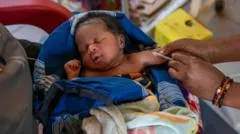
The research was designed to examine whether the hepatitis B vaccine administered at birth has physiological effects that extend beyond preventing infection. The study aimed to enroll 14,000 newborns at the Bandim Health Project, a research institution that has been active in Guinea-Bissau since 1978. The experimental design involved a split group: half of the infants would receive the hepatitis B vaccine shortly after birth, while the other half would receive no vaccination at that time.
Researchers argued that the study was uniquely positioned in Guinea-Bissau because the country does not currently provide routine hepatitis B vaccinations at birth, despite recommendations from the World Health Organization. They suggested this provided a window to study the vaccine's effects before the country transitions to a standard birth-dose schedule, which was originally projected for 2028. The researchers pointed to previous studies conducted in The Gambia and Guinea-Bissau that had raised questions regarding potential links between the vaccine and increased mortality rates.
The scientific rationale versus the clinical risk
The central tension of the trial lay in the conflict between scientific inquiry and established preventative medicine. While the researchers sought to investigate potential side effects or broader health implications, the clinical reality in Guinea-Bissau is that hepatitis B is highly prevalent. Nearly 20% of the population is infected with the virus. Because infants infected during birth or early childhood are at a significantly higher risk of developing chronic infections, the decision to withhold a known protective measure was viewed by many as a violation of basic medical ethics.
Why did the World Health Organization and local officials oppose the study?
The World Health Organization (WHO) declared the trial unethical because it planned to withhold a proven intervention from vulnerable newborns. Walter Kazadi Mulombo, the WHO representative in Guinea-Bissau, noted that the hepatitis B vaccine has been successfully utilized in more than 115 countries for over three decades. By denying the birth-dose vaccine to half of the study group, the trial risked exposing infants to the virus during childbirth or later in life, potentially leading to chronic liver disease or cancer.
The Guinea-Bissau government expressed similar outrage, particularly regarding a lack of transparency. Health Minister Quinhin Nantote stated that the ministry was surprised by media reports suggesting the study might proceed, noting that the government had not been informed of any such progress. This tension was exacerbated when the University of Southern Denmark (SDU) claimed that a revised protocol had received ethical approval from local authorities, a claim that Minister Nantote explicitly denied.
The impact of chronic hepatitis B in the region
The stakes of the controversy are high due to the severity of the disease in the region. According to data published in 2020, those who contract hepatitis B during infancy are particularly susceptible to chronic infection. Such chronic cases can lead to fatal outcomes, including liver failure and liver cancer, in up to 25% of those infected. This high mortality risk is a primary reason why the WHO is currently working with the Guinea-Bissau government to accelerate the introduction of the birth-dose vaccine, potentially moving the timeline up from 2028 to the first quarter of next year.
How does the US political landscape connect to this research?
The funding for the study originated from the US government, specifically through the CDC, which awarded $1.6 million to the University of Southern Denmark in December 2025. This funding arrived during a period of significant shifts in American public health policy under the Trump administration. Health Secretary Robert F Kennedy Jr. has a well-documented history of skepticism regarding vaccines, and his leadership has coincided with attempts to alter longstanding immunization recommendations.
Critics have raised concerns that the research might be used to provide scientific cover for shifts in US vaccine policy. While the study's stated goal was to investigate effects beyond infection prevention, the political context remains a point of contention. Kennedy has publicly praised the Danish researchers, referring to them as "the deities of vaccine research," and has cited their previous work to support concerns regarding vaccine safety. However, it is important to note that subsequent research by the same team found no evidence of the previously reported safety concerns.
What is the current status of the vaccines and the investigation?
The situation escalated on October 19, when the Guinea-Bissau Judicial Police conducted a search of the Bandim Health Project's facilities in Bissau. During this operation, authorities seized a batch of hepatitis B vaccines. While the police confirmed the batch was intended for pediatric use, they did not specify the exact number of doses taken or the specific legal grounds for the seizure.
The police emphasized that the seizure of the vaccines does not inherently mean the products are unsafe or defective. At this stage, it remains unclear whether the investigation is focused on the proposed trial, the methods of importation, or other administrative circumstances. Jakob Grauslund, the dean of the University of Southern Denmark, has declined to comment on the police action, though he maintains that the trial had not yet commenced, no babies had been enrolled, and no vaccinations had been administered as part of the research.
Frequently asked questions
Was the vaccine trial actually conducted on babies?
No, the trial had not started at the time of the controversy. According to Jakob Grauslund, the dean of the University of Southern Denmark, no babies had been enrolled in the study and no vaccinations had been administered as part of the research project before it was halted.
Why was the trial considered "neocolonial"?
The term "neocolonial" was used by global health experts, such as Dr. Gavin Yamey, to describe the power imbalance in the research. The criticism centered on why such a controversial study, which involved withholding a recommended vaccine, was being conducted in a poor African nation rather than in a wealthier country like Denmark.
What is the current vaccination plan for Guinea-Bissau?
Guinea-Bissau currently vaccinates children against hepatitis B at six weeks of age, which is less effective than a birth dose. The WHO is working with the government to move the introduction of the birth-dose vaccine forward, potentially starting in the first quarter of next year instead of the originally planned 2028.
Who funded the research in Guinea-Bissau?
The research was funded by the US government. In December 2025, the CDC awarded $1.6 million to the University of Southern Denmark to support the proposed study at the Bandim Health Project in Guinea-Bissau.
What happened to the seized vaccines?
The Guinea-Bissau Judicial Police seized a batch of hepatitis B vaccines from the Bandim Health Project facilities in Bissau on October 19. The police have not disclosed the specific reason for the seizure or whether it is directly linked to the investigation of the proposed trial.
Key takeaways
- The US-funded hepatitis B vaccine trial in Guinea-Bissau was cancelled following ethical concerns.
- The WHO criticized the trial for planning to withhold a proven vaccine from 7,000 newborns.
- Nearly 20% of Guinea-Bissau's population is currently infected with hepatitis B.
- The study was funded by a $1.6 million CDC grant awarded in December 2025.
- Guinea-Bissau authorities denied that the research had received local ethical approval.
Conclusion
The cancellation of the hepatitis B vaccine trial in Guinea-Bissau highlights the intense friction between experimental medical research and global public health ethics. While researchers sought to investigate potential long-term vaccine effects, the decision to withhold a life-saving intervention in a high-prevalence region drew condemnation from the WHO and local government officials. The controversy is further complicated by the political backdrop of US vaccine policy and accusations of neocolonialism. As Guinea-Bissau moves toward implementing a standard birth-dose vaccination schedule, the fallout from this failed trial serves as a significant case study in the complexities of international health research.