Why was President Santiago Peña impeached and forced to resign?
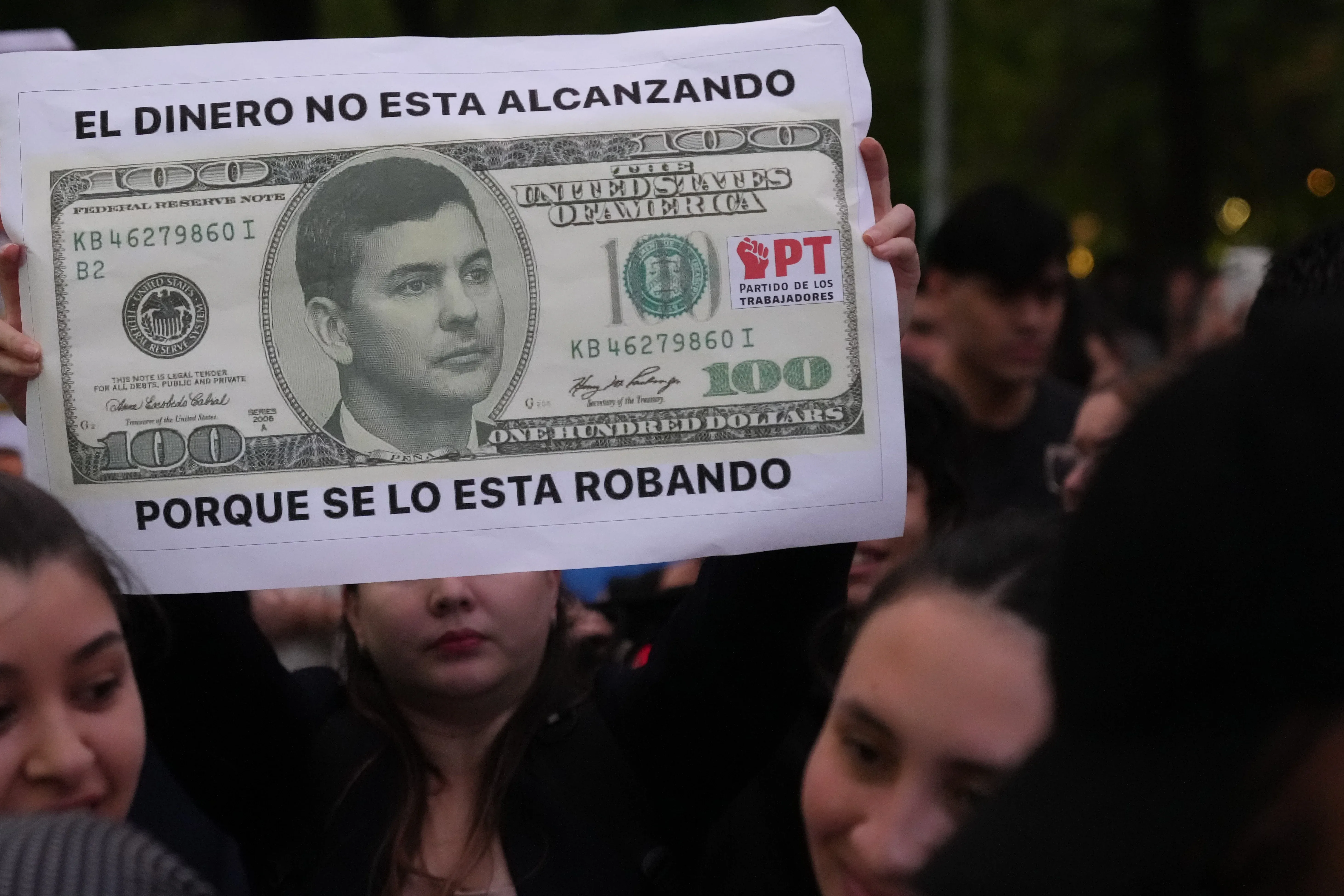
President Santiago Peña resigned on Thursday, November 5, 2026, after the collapse of Ueno Bank stripped him of political support and ignited mass protests. Minutes after his resignation announcement, the Paraguayan lower house voted 78-0 to impeach him, a move that sends the charges to the Senate for further processing. While congressional leaders expected to accept his resignation to facilitate the swearing-in of Vice President Pedro Alliana, opposition senators have demanded a full trial to ensure accountability.
The push for impeachment is driven by concerns over legal immunity. Opposition lawmakers argue that a simple resignation would allow Peña to retain his eligibility for a lifetime senate seat, potentially shielding him from future prosecution. Even within his own Colorado Party, the political force that has dominated Paraguay for decades, support for Peña has evaporated. His longtime mentor and former President Horacio Cartes publicly backed the impeachment, stating the party would not condone the "plundering of public and private funds and pensioners' money."
The political shift in the Colorado Party
The reversal of support from the Colorado Party marks a significant turning point for Peña, a former International Monetary Fund economist. Previously viewed as a key ally to the Trump administration in Washington, Peña now finds himself isolated from the very political elite that facilitated his rise. The party's decision to distance itself from him reflects the intense public anger regarding the loss of personal savings and the perceived mismanagement of national financial institutions.
What caused the sudden collapse of Ueno Bank?
Ueno Bank collapsed after central bank regulators discovered a pattern of high-risk lending and severe capital deficiencies. Investigations revealed that the bank had extended massive loans to companies tied to its own owners, often exceeding legal limits and lacking sufficient collateral. When these accounting irregularities were corrected, the bank's capital cushion fell to less than half of the minimum level required by law, prompting the central bank to seize the institution on Tuesday.
The bank's rapid ascent from an obscure finance company to a dominant digital lender made it a household name, claiming over 60% of Paraguay's adult population as customers. However, this growth was shadowed by concerns regarding its proximity to political power. Under Peña's administration, government funds flowed into Ueno's coffers, and the president appointed Carlos Carvallo—the former president of Ueno's predecessor, Financiera Ueno—to lead the central bank responsible for supervising the lender.
Regulatory failures and insider lending
Internal warnings about Ueno's practices had been circulating for months. In June, central bank inspectors identified risky lending patterns to insiders, as reported by the newspaper ABC Color. Despite these red flags, Peña had recently defended the bank and its oversight, dismissing allegations of mismanagement as a smear campaign. The eventual seizure revealed that the bank had also incorrectly recorded certain expenses as assets, further obscuring its true financial health.
How has the banking crisis impacted the Paraguayan economy?
The collapse has triggered immediate volatility in Paraguay's currency and a widespread loss of confidence in the financial system. According to central bank exchange-rate data, the guaraní fell nearly 4% against the U.S. dollar on Thursday, contributing to a total weekly loss of nearly 7%. This currency devaluation compounds the hardship for citizens whose liquid assets have been frozen by the seizure of Ueno Bank.
The social impact is profound, affecting millions of depositors, retirees, and workers. As of the latest estimates, the Labor Ministry suggests that approximately 7,000 direct and indirect jobs have been lost due to the bank's failure and its related business interests. Protesters have taken to the streets in Asunción, with some employees of the bank burning credit cards to demand unpaid wages and severance pay.
The state guarantee and deposit recovery
To mitigate public panic, a law was passed through Congress on Wednesday to establish a state guarantee fund. This fund is designed to repay stranded depositors within five business days. Starting Thursday, the fund began processing small accounts of up to approximately $1,600. While the central bank claims the fund insures up to $36,000 per customer—covering roughly 97% of clients—the immediate reality for many remains one of uncertainty and frozen access to funds.
What are the legal consequences for Ueno Bank executives?
A judge has ordered the imprisonment of six Ueno executives, including founder Miguel Vázquez and President Juan Manuel Gustale, pending trial. Prosecutors have filed charges against 27 bank officials and associates, alleging breach of trust and attempted fraud. The prosecution argues that the bank diverted funds to related group businesses through loans that lacked adequate guarantees.
The defense for these executives has focused on the delegation of responsibility. For instance, Juan Manuel Gustale's legal counsel argued that senior leadership relied on staff for specific lending decisions, asserting that the board is not directly responsible for the approval of individual loans. As the legal proceedings move forward, the focus remains on whether the mismanagement was a result of individual negligence or systemic corruption involving political figures.
Frequently asked questions
Why did the central bank seize Ueno Bank?
The central bank seized Ueno Bank after regulators discovered that its capital had fallen below half of the legal minimum. This was caused by poorly documented lending to companies linked to the bank's owners and the misclassification of expenses as assets, which hid the true extent of its insolvency.
How much money is at risk for Paraguayan depositors?
The collapse has frozen significant amounts of public and private money, including state pension and health funds. While the central bank states a guarantee fund will cover 97% of clients up to $36,000, many individuals are currently unable to access their savings or wages.
What is the status of President Santiago Peña?
Santiago Peña resigned from the presidency on November 5, 2026. Following his resignation, the Paraguayan lower house voted 78-0 to impeach him. He now faces potential Senate proceedings, while Vice President Pedro Alliana is expected to take office.
How has the guaraní responded to the crisis?
The guaraní has experienced significant devaluation due to the political and banking instability. On the day of the president's resignation, the currency fell nearly 4% against the U.S. dollar, marking a nearly 7% decline over the course of that week.
Are there criminal charges against bank officials?
Yes, prosecutors have charged 27 officials and associates with breach of trust and attempted fraud. Additionally, a judge has ordered six executives, including the bank's founder and president, to be jailed pending their trial regarding the mismanagement of funds.
Key takeaways
- President Santiago Peña resigned and was impeached by the lower house following the Ueno Bank collapse.
- Ueno Bank's capital fell below half the legal minimum after regulators found improper insider lending.
- The Paraguayan guaraní lost nearly 7% of its value against the U.S. dollar in one week.
- A state guarantee fund aims to repay 97% of depositors, covering up to $36,000 per person.
- Approximately 7,000 jobs have been impacted by the collapse of the bank and its affiliates.
Conclusion
The sudden downfall of Santiago Peña and the collapse of Ueno Bank represent a dual crisis of political legitimacy and financial stability in Paraguay. What began as a banking insolvency has transformed into a national scandal involving allegations of systemic corruption and the exploitation of regulatory weaknesses. As the country navigates the transition to the administration of Pedro Alliana, the focus remains on the recovery of frozen assets and the legal accountability of those responsible for the bank's failure. The long-term stability of the Paraguayan economy will depend heavily on the effectiveness of the state guarantee fund and the restoration of trust in the nation's financial institutions.