Widespread reports of contaminated candy across Europe
Authorities in three European countries are responding to a surge in reports regarding sharp metal objects embedded in Halloween treats. The incidents have primarily affected children participating in trick-or-treating activities, leading to immediate police intervention and public safety advisories. The contamination involves a variety of hazardous items, including needles, screws, nails, and wire fragments, which pose significant risks of choking or internal injury.
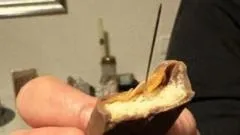
In Germany, the scope of the issue spans several states, stretching from Bavaria in the southeast to Lower Saxony in the north. One notable incident occurred in Bremervörde, located west of Hamburg, where a nine-year-old girl sustained an injury to her tongue while consuming a chocolate bar. Upon inspection, a pin measuring approximately 5cm (2in) in length was discovered inside the confection.
The geographical spread suggests that these are not isolated localized events but a broader trend affecting multiple regions simultaneously. Police departments have been working to track the origins of these contaminated sweets to determine whether they are the result of tampering with mass-produced goods or individual acts of malice during the holiday festivities.
Criminal investigations launched in Hungary and Austria
Criminal investigations are currently underway in Hungary following the discovery of industrial hardware inside sweets distributed near Gyömrő, east of Budapest. Local authorities reported that children received treats containing nails, screws, and pieces of wire. In one specific instance, a young girl was handed a toffee wrapped in chocolate that contained a nail; fortunately, she identified the danger before swallowing the item.
Austria has also seen a rise in these dangerous occurrences, prompting high-level government condemnation. Interior Minister Gerhard Karner described the incidents as "cowardly, malicious and in some cases life-threatening." Investigations are active across four different Austrian states. In the Amstetten region, east of Linz, a 10-year-old girl suffered minor oral injuries after biting into a small chocolate bar containing a sharp object.
The severity of these actions has prompted local leaders to call for strict legal consequences. Lower Austria Governor Johanna Mikl-Leitner emphasized that the perpetrators must face the full weight of the law, stating that children deserve a carefree environment during the holiday season. The focus of the Hungarian and Austrian police remains on identifying the individuals responsible for these potentially fatal tampering acts.
Rising incident rates and the risk of copycat behavior
Initial data from German law enforcement suggests that this year has seen a notable increase in contamination cases compared to previous years. In the southeastern state of Bavaria, police have already documented as many as 25 separate cases involving sweets that contained needles, screws, or nails. While similar reports have surfaced over the last two years, the current volume is considered significant by local officials.
Law enforcement is also battling the psychological impact of these reports, specifically the threat of imitation crimes. In the Middle Franconia region of western Bavaria, police issued a specific warning regarding the risk of copycat actions. This warning followed a report from a mother who discovered a needle in her child's chocolate bar.
In a surprising turn of events, the mother later informed the police that her child had actually admitted to inserting the needle into the chocolate themselves. This development highlights the complexity of these investigations, as authorities must distinguish between external tampering, malicious intent by strangers, and juvenile behavior intended to mimic news reports of contamination.
FAQ
What types of objects were found in the sweets?
The objects discovered in the contaminated Halloween treats included needles, metal pins, nails, screws, and pieces of wire. These sharp items were found embedded within various types of candy, such as chocolate bars and toffees, posing a serious risk of injury to children who consumed them.
Which countries are most affected by these incidents?
Germany, Austria, and Hungary are the primary nations reporting these incidents. In Germany, reports have come from Bavaria and Lower Saxony. In Austria, investigations are spanning four states, while in Hungary, the focus has been on the area surrounding Gyömrő, located east of Budapest.
How should parents protect their children?
Parents are strongly advised by police to carefully inspect all sweets and treats received during trick-or-treating before allowing children to eat them. Checking for unusual textures, hardness, or unexpected sounds within wrappers can help identify potentially dangerous items like needles or metal fragments before an injury occurs.