Why was the grandparents consent ad removed from social media?
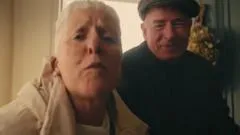
The Dublin Rape Crisis Centre (DRCC) decided to pull the advertisement following significant pushback from government officials and the public. The video, which featured an elderly couple attempting to embrace a grandchild who looked visibly uncomfortable, was intended to illustrate that even loved ones must respect personal boundaries. However, the execution of the message led to accusations that the content was inappropriate and counterproductive to the goal of teaching consent.
The removal followed direct engagement from the Irish Department of Justice. While the DRCC initially defended the premise of the campaign—stating that boundaries should be respected from an early age—they ultimately chose to withdraw the videos to reflect on their effectiveness. The organization stated they would evaluate whether the content was achieving the desired positive impact or if the tone was undermining the core message.
The role of the Dublin Rape Crisis Centre
The DRCC is the driving force behind the We-Consent campaign, an initiative designed to normalize the concept of consent in daily life. By using social media, the organization sought to reach a wide audience with light-hearted but serious messages about personal autonomy. Despite the intention to keep the tone accessible, the specific imagery of the grandparental hug became a flashpoint for cultural tension.
What was the reaction from Irish government officials?
Irish Justice Minister Jim O'Callaghan was a prominent critic of the advertisement, describing it as demeaning to the elderly. Although his department is a source of funding for the campaign, O'Callaghan clarified that the video did not represent the views of the government. He argued that while understanding consent in sexual relationships is vital, the specific approach used in this video failed to advance that aim and instead proved counterproductive.
Other political figures expressed similar concerns regarding the use of public funds. Fine Gael Senator Gareth Scahill criticized the campaign as being "a million miles off the mark," suggesting that the advertisement was not only ill-thought-out but potentially offensive to the older population. Scahill raised questions about the necessity of such messaging, even using hyperbolic examples of needing consent forms at Irish airports to illustrate his point about perceived overreach.
Government clarification on funding
In response to criticisms regarding the use of taxpayer money, a spokesperson for the Department of Justice provided context regarding the production of the content. The department clarified that the videos were produced by the DRCC at a low cost through the use of volunteers. Furthermore, they emphasized that these specific social media advertisements were not part of a formal government advertising campaign, despite the departmental link to the organization's broader funding.
How do academics view the consent debate in Ireland?
Academic perspectives on the controversy are divided between those who see the ad as an overreach of state influence and those who see it as a necessary, if poorly received, educational tool. Dr. Eoin O'Malley, an associate professor at Dublin City University, suggested the advertisement represents an attempt to push ideas that fall outside the mainstream. He noted that while the concept of consent is widely accepted, the specific instruction for grandparents to seek permission before a hug can seem "absurd" to many.
O'Malley also highlighted a constitutional dimension to the debate. He pointed out that the Irish constitution identifies the family as the primary unit for raising and teaching children. From this perspective, state-sponsored or highly visible campaigns that intervene in familial interactions can be viewed as an encroachment on the traditional role of the family unit.
Differing views on pedagogical approaches
While some academics see the ad as extreme, others argue the message is fundamentally sound even if the delivery is flawed. Dr. Órfhlaith $Órfhlaith Campbell defended the campaign, stating it was not an attack on grandparents but a way to highlight the importance of respecting a child's individual needs. Similarly, Dr. Eoin Daly of the University of Galway acknowledged that while the video might feel "patronising," the underlying message regarding consent remains correct and necessary for modern society.
What are the arguments in defense of the campaign?
Defenders of the We-Consent campaign argue that the advertisement was intended to be figurative rather than a literal instruction manual for family interactions. Fine Gael councillor Lorraine Hall supported the ad, suggesting that the imagery was meant to represent broader concepts of bodily autonomy rather than dictating specific social etiquette for every grandparent-grandchild encounter.
Social media users also stepped in to defend the intent behind the footage. Some commenters argued that the goal was not to discourage affection, but to empower children to speak up when they feel uncomfortable. This perspective shifts the focus from the perceived offense taken by adults to the agency being granted to children, suggesting that the campaign's primary objective was to provide young people with the vocabulary to establish their own boundaries.
FAQ: Grandparents consent ad controversy
Why did the DRCC pull the We-Consent videos?
The Dublin Rape Crisis Centre removed the videos to reflect on their impact following intense backlash. While the organization intended to promote respecting boundaries from an early age, they decided to evaluate whether the specific tone and imagery were achieving their goals or causing unintended harm.
Did the Irish government fund this specific advertisement?
No, according to a spokesperson for the Department of Justice, the videos were produced by the DRCC at a low cost using volunteers. While the department is a source of funding for the DRCC, the ads themselves were not part of an official government advertising campaign.
What was the main criticism from Minister Jim O'Callaghan?
Minister Jim O'Callaghan stated that the video was both inappropriate and demeaning to grandparents. He argued that while teaching consent is a vital objective, the specific execution of this advertisement was counterproductive and did not effectively advance the goal of educating the public.
Is consent teaching considered a state overreach in Ireland?
Some academics, such as Dr. Eoin O'Malley, argue that the campaign touches on sensitive territory regarding the Irish constitution. Since the family is viewed as the primary unit for raising children, highly visible campaigns about domestic boundaries can be perceived by some as state overreach into family life.
Was the campaign intended to stop grandparents from hugging children?
Defenders of the campaign, including academic Dr. Órfhlaith Campbell and various social media supporters, argue the ad was not an attack on grandparents. Instead, they claim it was designed to highlight the importance of respecting a child's individual boundaries and encouraging children to express discomfort.
Key takeaways
- The DRCC removed the We-Consent social media ads following significant public and political backlash.
- Justice Minister Jim O'Callaghan described the advertisement as demeaning to grandparents and counterproductive.
- The Department of Justice clarified that the ads were produced by volunteers and were not a government campaign.
- Critics argue the ad oversteps the constitutional role of the family as the primary educator of children.
- Supporters maintain the campaign was intended to empower children to communicate their personal boundaries.
The evolving landscape of consent education
The controversy surrounding the grandparents consent ad highlights a growing tension between traditional family norms and evolving social concepts of bodily autonomy. While the intent of the Dublin Rape Crisis Centre was to normalize consent for children, the backlash demonstrates how sensitive the intersection of state-funded advocacy and family life can be. As society continues to navigate these changing boundaries, the debate suggests that the method of delivery is just as critical as the message itself. The outcome of the DRCC's reflection will likely influence how similar sensitive topics are approached in future public awareness campaigns.